


Best EV for Winter Driving: What to Check
Andrew MelamedWinter EV shopping is less about finding a single champion and more about matching a vehicle to the roads, temperatures, and charging options you actually face. A short commute with home charging calls for different tradeoffs than frequent highway trips or steep, snow-covered roads.
Get The EDGE, a dedicated snow and ice scraper for winter vehicle prep.
The best EV for winter driving is the one whose traction setup, tires, cold-weather range, cabin heating, charging access, and visibility features fit your routine. Compare the exact model year and trim, then weigh those details against your routes and ability to charge before choosing.
Start with the conditions that shape control on snow and ice. Tires matter, but so do the vehicle's traction features and how confidently you can manage them when the road gets slick.
What Makes the Best EV for Winter Driving?
Start with your roads and routine, not a badge or a headline range figure. A useful winter EV comparison weighs traction, tires, clearance, usable range for your trips, charging access, cabin heat, and visibility together. No single feature can answer every buyer's question, and equipment can differ between model years and trims. Build a shortlist around the conditions you actually face: packed snow, icy hills, slush, cleared highways, or a mix.
Tires deserve an early check. Winter tires use a softer rubber compound and tread cuts to support grip, while all-season tires have limited ice and snow capability. Colorado DOT considers all-weather tires suitable for winter conditions, while M+S tires remain more limited than dedicated winter tires. Before comparing EVs, confirm the tire type and size for the exact trim. Check whether winter tires are available, and what a seasonal change means for your budget and storage. Don't assume a drivetrain can replace suitable tires. See Colorado's winter tire guidance for details.
Next, investigate how the vehicle manages traction. Compare the available drive configuration and traction-control settings. Check the manual for winter-use instructions. Treat all-wheel drive as one factor, not a substitute for tire grip, careful driving, or braking distance.
Ground clearance is another practical fit question. Compare the vehicle's clearance with the rutted roads or unplowed driveways you regularly encounter. Avoid choosing from a generic ranking when your route and conditions differ. During a test drive, ask how selectable drive modes affect the vehicle's response. Don't assume controls work the same way across brands. Choose a vehicle whose behavior and instructions you understand before a storm, not one picked for a feature name.
Range belongs in the rubric as a planning margin, not just a showroom number. Compare the stated range with your longest routine winter trip, likely detours, and charging opportunities along the way. Ask how the vehicle's range display, battery preparation, and charging behavior work in cold conditions for the specific model year. Check whether cabin preconditioning is available and whether it can run while plugged in; DOE notes that many EVs offer this feature. If your schedule depends on public charging, verify real charging locations near home, work, and frequent routes before buying.
Finally, inspect winter usability. Compare cabin-heating options, heated-seat availability, wiper and defrost controls, headlight and camera placement, and how easily you can clear the glass and sensors. NHTSA advises clearing snow, ice, or dirt from windows, lights, cameras, and sensors before driving. Read the manual and, if possible, test the exact vehicle in appropriate conditions. NHTSA also advises drivers to learn how their vehicle handles on wet, icy, or snowy roads. For a broader pre-drive checklist, see this winter driving safety checklist.
Keep a dedicated snow and ice scraper in your winter kit with The EDGE.
That broad rubric helps narrow the field. Next, compare cold-weather range evidence carefully, because one published figure cannot represent every model or trip.
How Much Range Can an EV Lose in Cold Weather?
There is no single winter-range penalty for every electric vehicle or trip. Temperature matters, but so do cabin heat, speed, acceleration, vehicle equipment, and test conditions. Compare the circumstances behind a percentage, not just the percentage itself.
Cold-weather range figures can differ because they come from different models, routes, temperatures, and heating settings. Compare the evidence for the exact model year and trim rather than treating one study as a forecast for every vehicle.
Cabin heating can also change energy use, so look for tests that explain whether the heat was running and what conditions the drivers faced. Do not treat one range reduction as a forecast for your own commute, or trade away clear visibility and cabin comfort to chase a number. Cabin heat, speed, and vehicle equipment can all shape the result, so interpret range claims in context.
Speed and driving style matter, too. Highway driving drains the battery faster than stop-and-go travel, according to the U.S. Department of Energy. Smooth acceleration can support longer range. An official test cannot predict how far a vehicle will go on every cold commute. Compare your exact model year and trim, and look for results that resemble your route, speed, and heating use.
Real-world data can add context, but it is not an EPA estimate. Recurrent says its analysis uses driving data from more than 30,000 U.S. vehicles. Across 34 popular models, it reports average range retention of 78% in freezing temperatures, with results ranging from 69% to 88% at 32 degrees Fahrenheit. The figures describe its dataset, not a promise for a specific car or trip. Review the Recurrent winter-range analysis alongside official figures. Check what each percentage measures, since retention versus ideal conditions is not the same as an official estimate.
For buyers, ask whether the vehicle's usable range leaves a comfortable buffer for regular cold-weather trips and charging options. Include your longest routine drive and highway time, not just a typical errand. For current owners, our separate guide to winterizing an electric car covers preparation. This guide focuses on interpreting range evidence before choosing a vehicle.
Does a Heat Pump Matter in a Winter EV?
A heat pump can be a useful winter feature, but it does not guarantee a specific range advantage. In cold weather, cabin heating draws from the vehicle's battery. Compare heating equipment when you shortlist vehicles.
Many EVs use either a heat pump or resistive heater to warm the cabin. Energy use varies by vehicle and outdoor conditions. A heat pump may use less energy in some settings, but the label alone cannot tell you how much range a car will retain. Check the exact model year and trim.
A controlled comparison hosted by the U.S. Department of Energy's OSTI repository examined three EV thermal-management configurations. The heat-pump configuration retained more range under those study conditions. The result does not rank current models or predict every winter trip. Read the study details.
Before buying, verify whether a heat pump is standard, optional, or unavailable on your trim. Consider your winter temperatures, trip length, charging access, and parking. The U.S. Department of Energy recommends considering one if available. Weigh it alongside range, tires, and how you use the vehicle. DOE winter EV guidance provides more context.
Preconditioning can also help make departure more comfortable. Many EVs let drivers warm the cabin and battery before setting off; the DOE recommends preconditioning while the vehicle is still plugged in when possible. Check the owner’s manual or vehicle app for scheduling options and any temperature or charging requirements.
When you are on the road, heated seats can use less energy than cabin heat, according to the U.S. Department of Energy. That can be a practical way to stay comfortable without relying only on a high cabin temperature. It does not replace proper windshield defrosting, and the right settings depend on visibility and comfort. Compare actual trim equipment and controls, then weigh the heat pump as a potential efficiency benefit, not a promise that winter range will be unaffected.
Charging Access Is Part of the Winter EV Choice
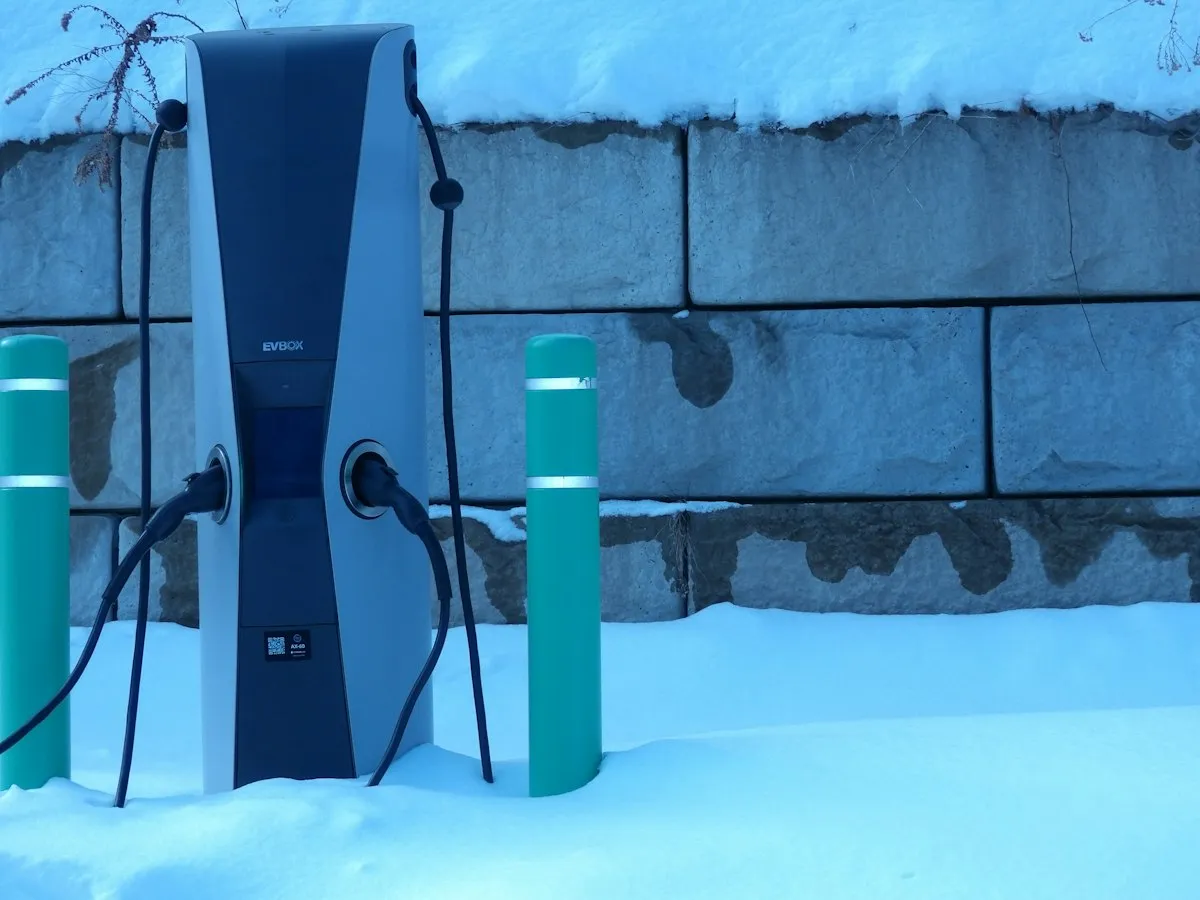
A winter-ready EV is only as practical as the places you can charge it. If you can plug in at home, consider where the cable can reach, whether the parking spot is available overnight, and whether the charging setup fits your routine. Most EV owners do most charging at home, while public and workplace stations can supplement residential charging, according to the U.S. Department of Energy. AFDC outlines charging options.
If home charging is not available, map the public stations you would realistically use near home, work, errands, and regular routes. A station that appears nearby on a map may not be convenient in bad weather or during a busy day. Check location and route-based options with the AFDC charging station information, then confirm the station details in the vehicle's navigation system or charging-network app before relying on it.
Compatibility deserves a close look before you choose a model. Compare the vehicle's charge port with the equipment you expect to use, including home, workplace, and public chargers. Confirm the charge-port type and the charging levels supported by the exact vehicle trim before buying. EVs can use different connectors and charging levels.
Build a cold-weather backup into longer trips. Identify a backup station along your route and leave enough charge for a detour or unavailable charger. Charging needs vary by trip, temperature, and vehicle. Use the vehicle's route planner to review charging stops and estimated charging time, then allow flexibility rather than planning around an ideal stop.
Before buying, test the real routine on a map: where you will charge overnight, what you will do during a cold snap, and which alternative station you can reach if plans change. Charging access is not a small ownership detail. It is part of choosing an EV that fits your winter commute and travel habits.
Keep a snow and ice scraper ready for winter vehicle prep.

Which Tires, Visibility Features, and Controls Matter?
Winter readiness starts where the vehicle meets the road. Check the tire type and size fitted to the exact model and trim, then consider the conditions you regularly face. Winter tires use a softer rubber compound and tread cuts designed to support grip in cold conditions. All-season tires can handle varied weather, but their ice and snow capability is limited. Colorado DOT says all-weather tires suit many winter conditions, while M+S tires remain more limited than dedicated winter tires. Confirm the vehicle's specifications and whether seasonal tire changes fit your climate, budget, and storage space.
The label alone does not tell the whole story. Check tire specifications and the vehicle maker's recommendations. Use the size and load rating specified for the vehicle, inspect tread and wear, and check pressure according to the owner's manual. If a second set of tires makes sense for your routes, confirm the vehicle can accommodate the wheel and tire combination you plan to use.
Do not treat a tire category or drivetrain badge as a guarantee of control. Traction, braking, and steering still depend on road conditions, tire condition, speed, and the way the vehicle responds. Match the setup to your typical routes, including hills, untreated roads, and frequent slush, rather than choosing from a headline feature alone.
Keep the view clear
Look for practical visibility equipment and make sure you know how it works: windshield defrost and defog controls, rear-window defrost, wipers, washer-fluid access, and headlight settings. During a test drive, check that controls are easy to find while seated and that you understand how to clear the glass without guesswork. For winter use, maintain suitable washer fluid and replace worn wiper blades as needed.
Driver-assistance cameras and sensors can be useful, but they need a clear view too. Before driving, clear snow, ice, and dirt from windows, lights, cameras, and sensors. Do not assume a camera or sensor can see through packed snow, or that an alert will replace direct observation. Check where the vehicle's sensors are located and how the owner's manual says to clean them. Review the full winter driving safety checklist for other cold-weather visibility habits.
Learn the vehicle, not just its features
Controls and winter behavior vary by vehicle. Before buying, compare the exact year and trim, then review its manual for traction settings, regenerative-braking behavior, stability-control options, and any winter driving guidance. Ask for a test drive on familiar roads when conditions allow; never seek out slippery conditions to test a car. Every vehicle handles differently on wet, icy, or snowy roads. Get used to the steering, braking response, and available controls in safe conditions, and leave more room and time when roads are slick.
Match the EV to Your Winter Routine
A good match depends less on a universal winner than on the roads you drive, where you can charge, and how much winter range buffer your routine needs. Start with your coldest regular day, not the ideal conditions in a vehicle listing. Then compare exact model year and trim: equipment, battery, tires, and charging compatibility can differ within the same nameplate.
| Your routine | What to prioritize | What to verify before buying |
|---|---|---|
| Short urban trips with home charging | Convenient overnight charging, practical winter tires, and cabin preconditioning while plugged in. | Home charging access, winter range for your actual errands, and whether the exact trim includes the cold-weather features you want. |
| Long daily commute | A realistic cold-weather range buffer, dependable charging at home or work, and comfortable cabin heating. | Commute distance in poor weather, charging options if plans change, and range evidence for the model year and trim, not just the model family. |
| Rural routes or steep roads | Suitable winter tires, predictable traction systems, adequate ground clearance, and charging plans with backup options. | Local road grades and snow conditions, tire sizes available for the trim, clearance, and where chargers sit along your regular routes. |
| Frequent highway travel | Comfortable range between reliable fast chargers, route flexibility, and predictable winter charging stops. | Cold-weather highway range for your configuration, connector compatibility, charger availability along your route, and charging time in relevant conditions. |
The Department of Energy says highway speed uses battery energy faster than stop-and-go driving. Smooth acceleration can also support longer range. Build those conditions into your range check. Published rankings and test results are snapshots, not guarantees for another trim or route. Check the temperature, conditions, and method behind each range figure.
Do not treat all-wheel drive as a substitute for winter tires, safe speeds, or learning the vehicle. NHTSA advises drivers to learn how their particular vehicle handles on wet, icy, and snowy roads. Before choosing, review the owner manual for how the specific traction and stability controls work, then confirm what equipment is included rather than assuming from a badge or drivetrain label.
Finally, map charging where you live and travel, including realistic alternatives if a station is unavailable. For more detail on winter EV charging and tire planning, see the separate planning guide. If your route does leave you stuck, review what to do when a car gets stuck in snow before winter arrives.
Frequently Asked Questions
Do electric cars drive well in snow?
They can, but winter performance depends on the vehicle, tires, and conditions, not the powertrain alone. NHTSA notes that every vehicle handles differently on snow and ice. Winter tires use softer rubber and tread cuts to improve grip in cold conditions, while all-season tires have limited ice and snow capability. Check the specific model and tire setup, then learn how the vehicle responds in a safe setting.
Is AWD enough for winter driving?
No. AWD may help a vehicle move on slippery roads, but it does not replace tire grip or safe braking. Michigan's safety guidance explains that winter tires are designed for better winter-road grip, while all-season tires have limited snow and ice capability. Compare tire options as carefully as the drivetrain, and leave extra distance for stopping.
How cold is too cold for an EV?
There is no single temperature cutoff that applies to every EV in these sources. Cold weather can reduce driving range, and cabin heating adds to energy use, so plan around the vehicle's expected winter range rather than treating one temperature as a universal limit. Check the owner's manual for the model's operating guidance and map charging options before a long trip.
Does a heat pump make a difference in winter?
A heat pump is worth comparing when it is available, but its benefit depends on the vehicle's design and conditions. The U.S. Department of Energy recommends considering one when buying an EV. Also check whether the model can precondition its cabin and battery while plugged in, and compare the exact model year and trim rather than assuming every version has the same heating equipment.
Ready to prepare your vehicle for winter?
Keep a snow and ice scraper with your winter vehicle gear for clearing buildup before a drive. The EDGE is a scraper accessory, not an EV system or a range, traction, or charging upgrade. Explore The EDGE for winter vehicle prep.