

Winter Ready: A Guide to Pre-Trip Snow Clearing
Mega AgentsDriving with snow on your car is illegal in many states and leads to heavy fines. You risk a penalty of up to fifteen hundred dollars if ice flies off your vehicle.
Ready to upgrade? The EDGE has you covered.
The best pre-trip snow clearing follows a top-to-bottom plan to keep your roof, hood, and all windows clear for full visibility. Using a large tool like The EDGE with its 18-inch blade makes the job easier. A proper sequence protects you and other drivers from the dangers of flying ice and blocked views in winter conditions.
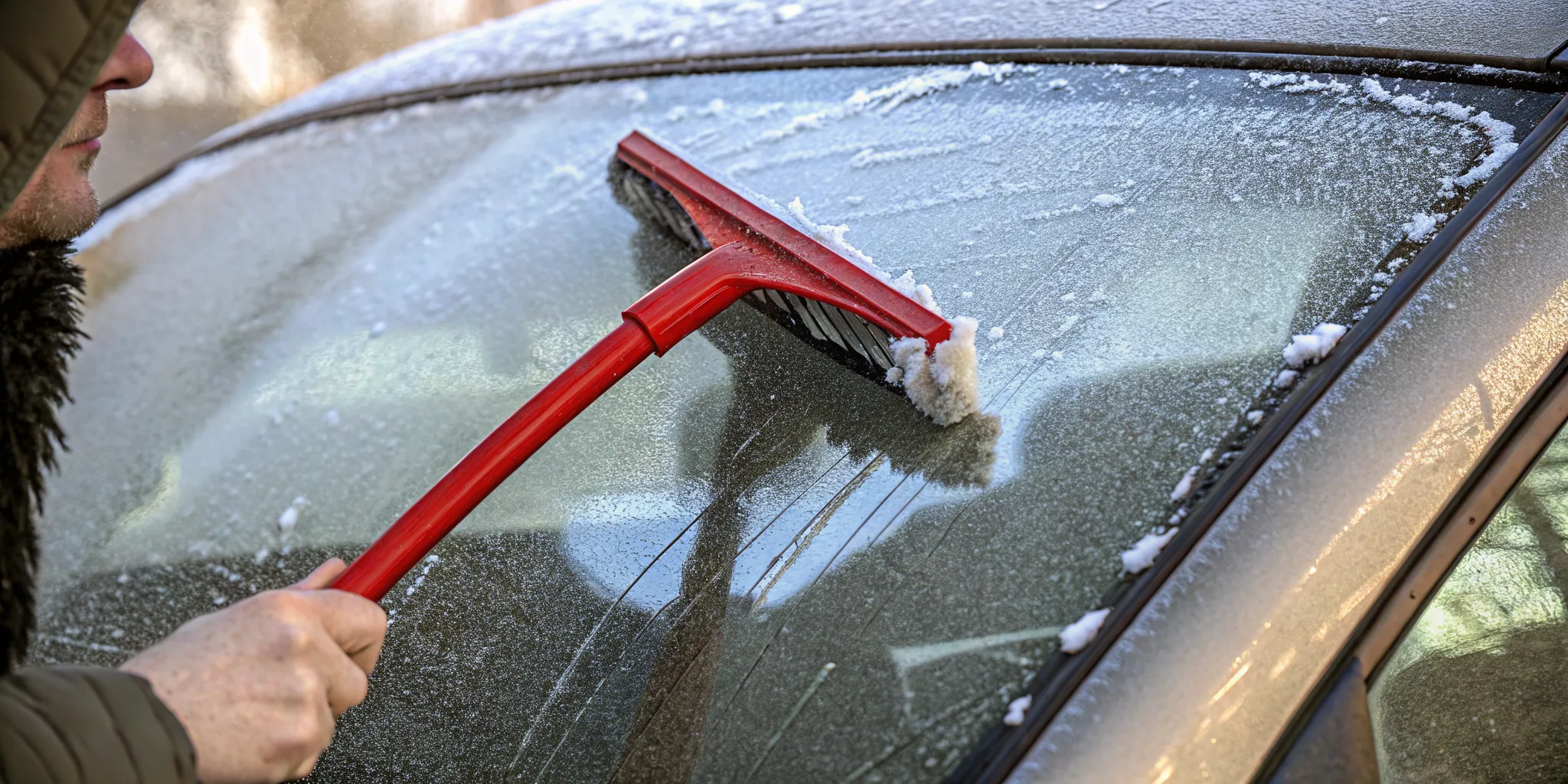
Many drivers treat winter car prep as a chore they can skip when they are in a rush. This mistake can lead to dangerous roads and costly tickets. The first step is to see why pre-trip snow clearing matters more than you think.
Why Pre-Trip Snow Clearing Matters More Than You Think
Most drivers think a quick swipe on the windshield is enough to start their day. But skipping a full pre-trip snow clearing can lead to more than just bad views. In many places, it is a legal duty to clear your whole car before you hit the road. If you leave snow or ice on your vehicle, you may face steep fines. States like New Jersey, Pennsylvania, and New York have strict laws to keep roads safe from flying ice sheets.
The legal cost of lazy clearing
Driving with snow on your car is illegal in multiple states across the Northeast. If snow or ice flies off your vehicle and causes a crash, you could pay a high price. According to local laws, common winter car care mistakes like this can lead to fines from $100 to $1,500. Police can pull you over even if no damage occurs just for having a snow-covered roof or trunk. Safety groups like VDOT remind drivers that full visibility is a must for everyone on the road.
Safety risks for you and others
Does a layer of snow on your roof seem harmless? It is actually a major safety risk for you. When you brake hard, that snow can slide forward onto your windshield. This creates a sudden blind spot that blocks your view of the road. On the highway, flying ice from your roof can hit other cars behind you. This is why you must clear the hood, roof, trunk, and all lights before you start your trip. Taking the time for removing snow from your car in minutes saves you from these scary risks.
Your pre-drive safety checklist
A good pre-trip snow clearing covers more than just the glass. You need to clear your mirrors and all lights so other drivers can see you. Experts at AAA suggest checking your exhaust pipe too. If snow blocks the pipe, carbon monoxide can build up inside your car. This gas is very dangerous and hard to detect. By following a clear routine, you stay safe and avoid legal trouble. In the next part, we will show you the best way to clear your car from top to bottom.
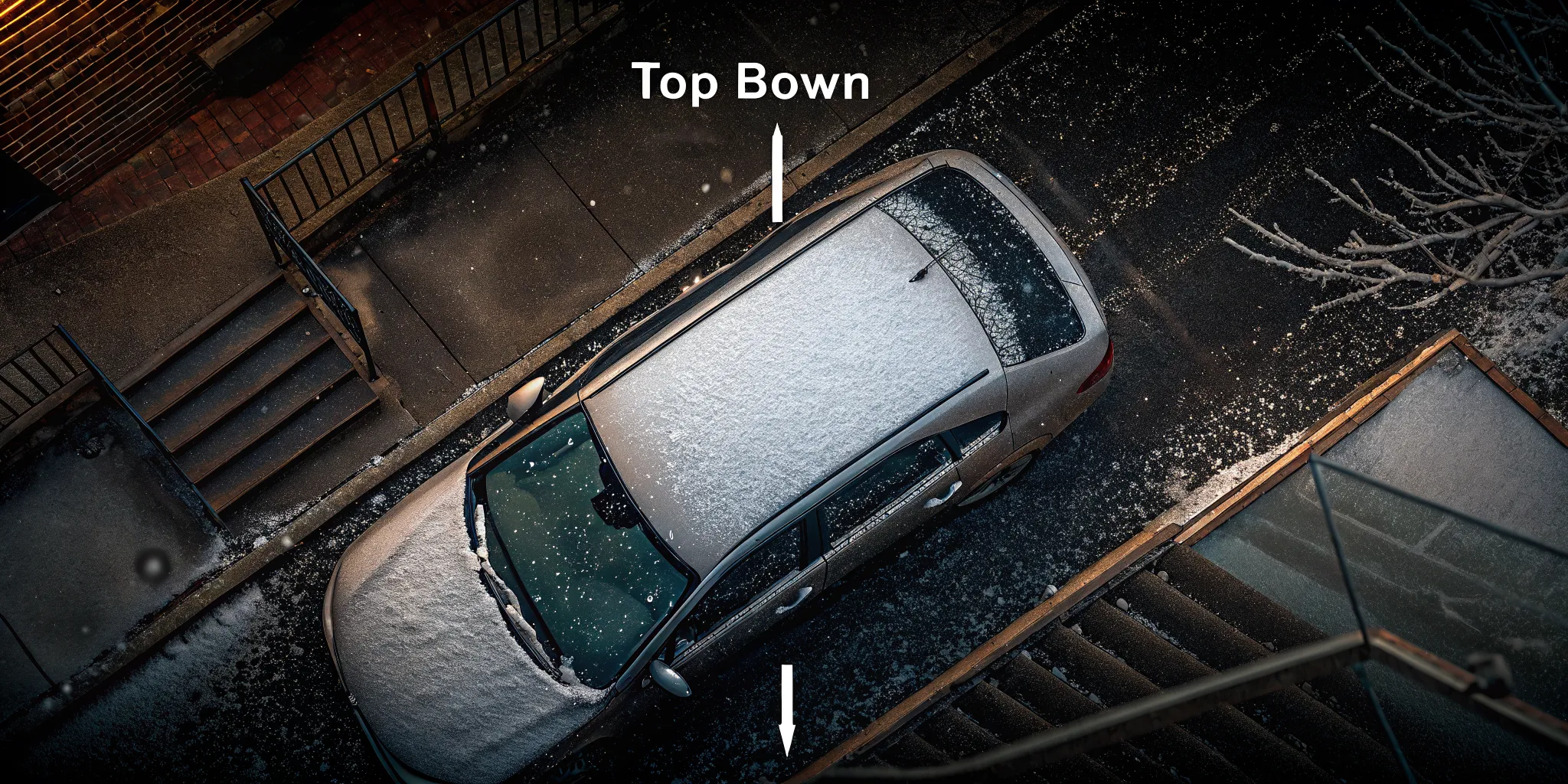
The Right Way to Clear Snow: A Top-to-Bottom Sequence
Safe winter driving starts with proper prep. A messy clearing job can lead to low visibility or flying ice that hurts other drivers. To stay safe and follow the law, you must clear your entire vehicle before you leave. Following a set order makes the job faster and keeps you from having to do the same spot twice.
Prep the car and exhaust
Before you start scraping, check your exhaust pipe. If snow blocks the tailpipe, carbon monoxide can build up inside the cabin. This is a major safety risk in cold weather. Once the pipe is clear, start the engine and turn on the front and rear defrosters to loosen the ice on the glass.
While the car warms up, make sure your wipers are off the glass so they do not tear. Clear any deep snow from the hood and trunk first. This stops snow from blowing onto your windshield or flying back at other cars once you are on the road. For more tips on speed, check out our guide on removing snow from your car in minutes.
Clean from the roof down
The best way to clear your car is to work from the top to the bottom. Start with the roof and pull the snow toward you in straight lines. This prevents you from pushing snow onto sections you have already cleaned. If you leave snow on the roof, it can slide down and block your view when you brake suddenly.
- Clear the roof first to avoid making a mess on clean windows.
- Brush off the hood and trunk to keep snow from blowing as you drive.
- Clean all windows and the windshield to ensure full sight lines.
- Scrape ice from side mirrors so you can see lanes around you.
- Wipe off all headlights and taillights for better visibility.
- Clean around wiper blades and clear your license plate.
- Do a final walk around to check for any missed spots.
Check lights and wipers
Visibility is not just about your windows. You must also clear all lights and signals. Snow on your brake lights or turn signals makes it hard for others to see your moves. Use a soft tool or brush to clean these areas without causing damage. When clearing glass, keep hard tools off your car's paint.
Finally, clear the area around your wiper blades and the base of the windshield. If snow piles up here, it can freeze and trap your wipers. Keeping this area clear helps your wipers work better and lasts longer. According to the NHTSA, proper vehicle prep is a key part of safe winter travel.
How a Super-Sized Scraper Transforms Your Morning Routine
Waking up to a buried car can ruin your day. Small tools force you to take many passes just to see the road. This slow work adds stress and keeps you in the cold. Switching to a wide blade changes how you handle your winter prep.
Cut your clearing time
A big blade means fewer moves to get the job done. While a small tool needs dozens of strokes, an 18-inch blade covers much more glass. This speed is why experts at Cars.com suggest using tools that boost your reach.
Speed matters when you need to clear the roof, hood, and all glass. You can read our guide on choosing the right scraper to find a tool that fits your needs. A large scraper makes the task easy so you can start your drive fast.
Better reach and safety
Short tools make you lean on the car, which gets your clothes wet. A wide tool lets you reach the middle of the glass with ease. This helps you follow safety tips from the Virginia Department of Transportation. They say to clear all snow from the roof and hood to keep other people safe on the road.
| Feature | Standard Scraper | The EDGE Scraper |
|---|---|---|
| Blade Width | 4 to 4.5 inches | 18 inches |
| Paint Contact | Hard plastic can scratch | Paint-friendly rubber edge |
| Ice Handling | May crack or break | Tri-Force Blade System |
Protect your vehicle
Old plastic tools can leave marks on your car paint. The EDGE uses a rubber edge to stop these scratches. It also has round corners to help you clear tight spots. This design makes sure your pre-trip snow clearing is safe for your car and your time.
Common Pre-Trip Mistakes That Cost You Time and Safety
Winter mornings are often a race against the clock. When you are in a rush, it is easy to cut corners during your pre-trip snow clearing routine. But skipping small steps can lead to big risks on the road. Avoiding a few common errors will keep you safe and help you get moving much faster.
The Dangers of Incomplete Clearing
One of the worst habits is driving with a "peephole" view. Some drivers only clear a small patch on the glass and hope the rest blows off. This is unsafe because it limits what you can see. It is also a legal risk in many spots. The Virginia Department of Transportation warns that you must clear all snow from the roof, hood, and trunk before you start your drive. If you leave snow on the roof, it can slide down when you brake. This can block your view fully and cause a crash.
Many people also forget to clear their lights and mirrors. Snow on your brake lights or turn signals means other drivers cannot see what you are doing. Always check that your headlights and taillights are bright and clear. You should also clear the exhaust pipe. If snow blocks the pipe, bad gases can build up inside the car. A quick check of these spots takes only a minute but adds a lot of safety to your trip.
Why Household Items and Hot Water Fail
When you find your car covered in ice, you might feel tempted to use what is near you. Some people try to use credit cards or tools from the kitchen to scrape the glass. These poor tools are not strong enough for thick ice. They can also leave deep scratches on your glass that are costly to fix. A sturdy tool is a much better choice. For a faster start, you can use a de-icer spray to melt the top layer of frost before you start.
The worst mistake is using hot water to melt ice. It might seem like a fast fix, but it often ends in a cracked windshield. The glass goes through a sudden "thermal shock" when the heat hits the cold surface. This stress causes the glass to snap or shatter at once. Instead of using heat, try clearing ice the right way by using the defroster to warm the glass from the inside out.
Better Tools for a Faster Start
Old or flimsy scrapers can also waste your time. A small 4-inch blade requires dozens of passes to clear a single window. If the plastic is thin, it can crack or break under the pressure of thick ice. Using a tool that is too small makes the job take much longer. You end up standing in the cold for far too long.
You can save even more time by prepping your car the night before. Try to lift your wiper blades off the glass before the storm starts. This keeps the rubber from freezing to the surface. When you are ready to go, start the car and let the defroster run while you work on the roof and hood. This loosens the bond between the ice and the glass. By the time you reach the windows, the ice will slide off with very little work.
Set Yourself Up for Faster Mornings All Winter Long
You can make your winter mornings much easier with a few simple steps. The best way to save time is to plan your gear and care before the first storm hits. Start by keeping your tools in a spot you can reach. If you leave your scraper in a trunk that freezes shut, it cannot help you. The EDGE has a flat design with no handle, so you can stow it under a front seat or on the back floor. This keeps it warm and ready for any quick pre-trip snow clearing task.
Protect your car before the ice arrives
A little work now saves a lot of scraping later. Using a good wax or sealant on your car before winter can help protect your paint from road salt. It also makes it harder for ice and snow to stick to the car. You should also check your wiper blades for any tears. If you find damage, replace them now so they work well when you need to see the road. You can find more tips in our full winter car maintenance checklist to keep your car safe.
Check your gear and keep it ready
You should check your gear once a month during the cold season. Make sure you have a de-icer spray in the car for thick ice on windows or mirrors. A good spray helps loosen the bond of the ice, which makes scraping much faster. This is also a great time to look at your scraper. Standard tools often crack under the pressure of heavy ice, as noted by gear guides. Choosing a tool with a 5-year performance guarantee means you only have to buy it once.
Give the gift of easy winter mornings
Winter prep is also about helping others stay safe on the road. The EDGE is a great choice for gifts because you can add a custom logo or image to the large 10-inch print area. Whether you need one for a friend or many for a team, you can save money with our Edge bundle savings. Keeping a good tool in every car helps everyone get on their way with less work. For the best results, always clear your lights and roof to stay within state safety rules for winter travel.
Frequently Asked Questions About Pre-Trip Snow Clearing
How do you clear snow off a car before driving?
Start the car and turn on defrosters first. Clear snow from the roof working top-to-bottom, then the hood and trunk. Use a large scraper for the windshield and windows in long, straight strokes. Clear headlights, taillights, mirrors, and the roof completely before driving. This sequence prevents snow from falling onto areas you have already cleaned and ensures full visibility.
Is it illegal to drive with snow on your car?
Yes, in many states. Driving with snow on your roof, hood, or trunk is a traffic violation in states like Pennsylvania, New Jersey, Connecticut, and New York. Fines range from $100 to $1,500 if snow or ice flies off your vehicle and causes damage or an accident. Police can also pull you over for obstructed visibility even without an incident.
What is the fastest way to remove snow from a car?
The fastest method uses a super-sized scraper with 4x more surface area than traditional scrapers. Combined with running the defroster, a large 18-inch scraper clears the windshield in a few long passes instead of dozens of small ones. A de-icer spray can speed up ice removal on windows and mirrors for a total pre-trip snow clearing time of just a few minutes.
Should you warm up your car before scraping snow?
Yes. Starting your car and turning on the front and rear defrosters loosens ice and snow, making scraping faster and easier. Make sure the exhaust pipe is clear of snow first to prevent carbon monoxide buildup inside the vehicle. Let the defroster run while you clear the roof and hood for maximum efficiency.
What order should you clear snow from your vehicle?
Work top-to-bottom every time. Clear the roof first so snow does not fall onto already-cleared areas. Then do the hood, windshield and windows, trunk, headlights, taillights, mirrors, and license plate. Finish by removing snow from around the wiper blades and clearing the exhaust pipe. This top-down method is the fastest and safest approach.
How can I protect my car's paint when removing snow?
Use a scraper with a paint-friendly rubberized edge rather than a hard plastic scraper or metal shovel. Pull snow toward you in straight lines rather than pushing it across the surface. A good wax or sealant on the paint before winter also helps protect against scratches from snow and debris.
Ready to Make Pre-Trip Snow Clearing Easier?
You do not need to spend fifteen minutes hunched over your car in the cold with a tiny plastic scraper. The EDGE clears your windshield, windows, and roof. Its 18-inch blade gives you 4x more removal per pass than a 4-inch scraper, and its paint-friendly Rubber Snow Plow takes loose snow off any vehicle surface. It is backed by a 5-year performance guarantee.
Get The EDGE now. Save even more with a 3-pack or 5-pack bundle for the whole family.