


Winter Driving Tips for New Drivers: A First-Snow Guide
Andrew MelamedFirst-year drivers face the highest crash risk when winter weather turns dry asphalt into slick ice. Prepping your car and learning safe cold-weather driving habits will help keep you safe on freezing roads.
Ready to upgrade? The EDGE has you covered.
Simple winter driving tips for new drivers start with clearing all heavy snow from your vehicle. Defogging windows completely, and checking tire pressure regularly before you start the engine. Once you are on freezing roads, you must adjust your speed for the weather instead of matching the posted limit. Since tires can easily lose traction on slick ice. New drivers should also increase their following distance to four to six seconds to give themselves plenty of safe space to brake smoothly on dangerous ice and snow. According to the National Highway Traffic Safety Administration, prepping your vehicle is vital, so keep a handy Edge scraper in your trunk to clear heavy winter ice fast.
While these basic steps are easy to learn, driving in freezing weather still presents major risks for new teens. Gaining confidence on slick roads takes time and practice. To help you stay safe on icy streets, we must examine Why Cold Weather Tests New Drivers the Hardest.
Why Cold Weather Tests New Drivers the Hardest
A first winter storm brings major stress for new drivers. As noted by the National Highway Traffic Safety Administration, winter weather like snow, sleet, or ice causes highly dangerous road conditions. To stay safe on slick roads, prep is key. This sudden shift is a major trial for teens who still need to learn the basics of car control.
The First-Year License Danger Zone
New drivers have a higher rate of crashes during their first year of driving. According to the Centers for Disease Control and Prevention, crash risk is highest in the first year a teen has a license. This risk is especially high during the first few months. This danger increases when snow and ice cover the asphalt. Cold weather tests a new driver's split-second decisions before they have built strong muscle memory.
Because of these risks, teens must prepare both their cars and their minds before driving in freezing conditions. Following a solid winter driving safety checklist helps teens build confidence. Knowing how to handle poor grip and low visibility can make the difference between a safe trip and a costly tow. Taking a few minutes to check tire tread, clear windows, and review basic rules reduces panic when the weather turns bad.
Critical Habits for Night and Day
Slick roads demand a driver's full attention. The CDC warns parents to ban any activity that takes a teen's focus off the road, like texting, eating, or playing with the radio. In winter, even a brief lapse of focus can lead to a slide. In addition, nighttime brings colder air and hidden patches of ice. Parents should make sure their teen is off the road by 9 or 10 pm for the first six months of driving. This rule keeps new drivers off dark, icy roads when fatigue is high.
Simple Steps to Cut Injury Risks
Basic safety rules are even more vital when roads are slick. Parents must require their teen to wear a seat belt on every single trip. This simple choice can cut a teen's risk of serious injury or death in a crash by about half. Seat belts hold drivers in place if they lose control on a patch of black ice. When tires lose grip on sleet or snow, a secured driver can still steer and brake without sliding out of their seat.
First-year drivers face high risks on the road, which spike when winter storms bring snow and ice. By limiting distractions, keeping curfew rules, and wearing seat belts, teens can stay safe. Proper trip prep and safe habits help new drivers handle their first winter commutes with confidence.
Get The EDGE snow and ice scraper.
Winter Driving Tips Every New Driver Should Know Before the First Snow
Winter roads can be scary for beginners. Knowing the right winter driving tips for new drivers is key to staying safe when the snow starts to fall. When you first get behind the wheel in cold weather, you must change how you control your car.
Adjust Speed and Following Distance
The posted speed limit is only meant for perfect dry roads. When snow or ice is on the ground, you must drive much slower. Safety guidelines from the NHTSA winter driving tips warn that your car needs extra space to stop on slick roads.
You must also increase your following distance to four to six seconds behind other cars. This gap gives you enough time to brake safely if the car in front of you stops. You can learn more about car prep by reading a winter driving safety checklist.
Be extra careful when you are behind snow plows. These heavy trucks travel slowly, make wide turns, and stop often. Stay far back so the plow driver can see you, and only pass when it is safe.
Spot Black Ice and Handle Skids
Black ice is a major hazard because it is hard to see. It often makes the road look like wet pavement when it is a slick, thin layer of ice. Watch out on bridges and shaded parts of the road, as these spots freeze first.
If your car starts to slide, do not panic. Turn your steering wheel with smooth, slow movements rather than sudden jerks. Quick turns can make you lose control. Keep your hands steady to keep the car on its path.
To get out of a skid, ease your foot off the gas pedal. Do not slam on the brakes, as this makes the slide worse. Keep your eyes on where you want the car to go and steer gently that way.
Plan Safer Routes
When bad weather hits, try to drive only during daylight hours. Choose main roads that are ploughed and salted first, and stick to routes you know. Driving on roads you know is much easier when you cannot see well.
A key skill is knowing when to stay home. Prepare your car ahead of time with a winter car safety checklist to inspect your tires and lights. If the roads are unploughed or the storm is severe, delay your trip.
Staying safe in winter requires slow speeds, extra following distance, and smooth steering. New drivers should watch for black ice on bridges and learn how to steer gently out of a skid. Choosing plowed roads during daylight and knowing when to stay home will help you navigate your first snowy season.
Clear Every Surface: Make Snow Removal a Pre-Trip Routine
Many new drivers make the mistake of clearing only a small patch on their windshield before they start driving. But taking the time to clear every surface is one of the most vital winter driving tips for new drivers. A full sweep ensures you can see hazards from all sides.
The hidden dangers of driving with snow and ice
Driving with snow or ice on your car is both dangerous and illegal. When you drive, snow blowing off your roof or hood can block your own view. It can also strike other cars and cause a wreck. Loose snow from your roof can become a heavy projectile that cracks the windshield of a trailing vehicle.
Heavy ice on your windows also reduces your control. To prevent these risks, you must make a habit of a full sweep. Clearing the whole car ensures that you do not put yourself or others in danger on slick roads.
A simple checklist for a clear view
Before you move, you must fully defog all the windows inside your car. Clear views in all directions are essential to spot hazards early. This is a vital step when you change lanes or cross busy intersections. Making snow removal part of your pre-trip routine ensures you do not miss any spots when it is cold.
Proper car prep is key to safety. Guidelines from the National Highway Traffic Safety Administration show that preparing your vehicle can prevent winter driving crashes. If you want to stay safe, take the time to clean your headlights and tail lights too. You can learn how to scrape ice off a windshield by reading our guide.
| Feature | Small Scraper | The EDGE |
|---|---|---|
| Removal per pass | One narrow strip at a time | 4x more removal per pass, on an 18 x 14-inch platform |
| Grip | One hand on a short grip | Two hands, with leverage pads for your palms on thick ice |
| Versatility | Scrapes a narrow line only | Scraper, snow pusher, and car floor protector |
| Guarantee | Often no coverage | 5-year guarantee on the unit |
Get the best heavy-duty winter tools for your car at The EDGE.
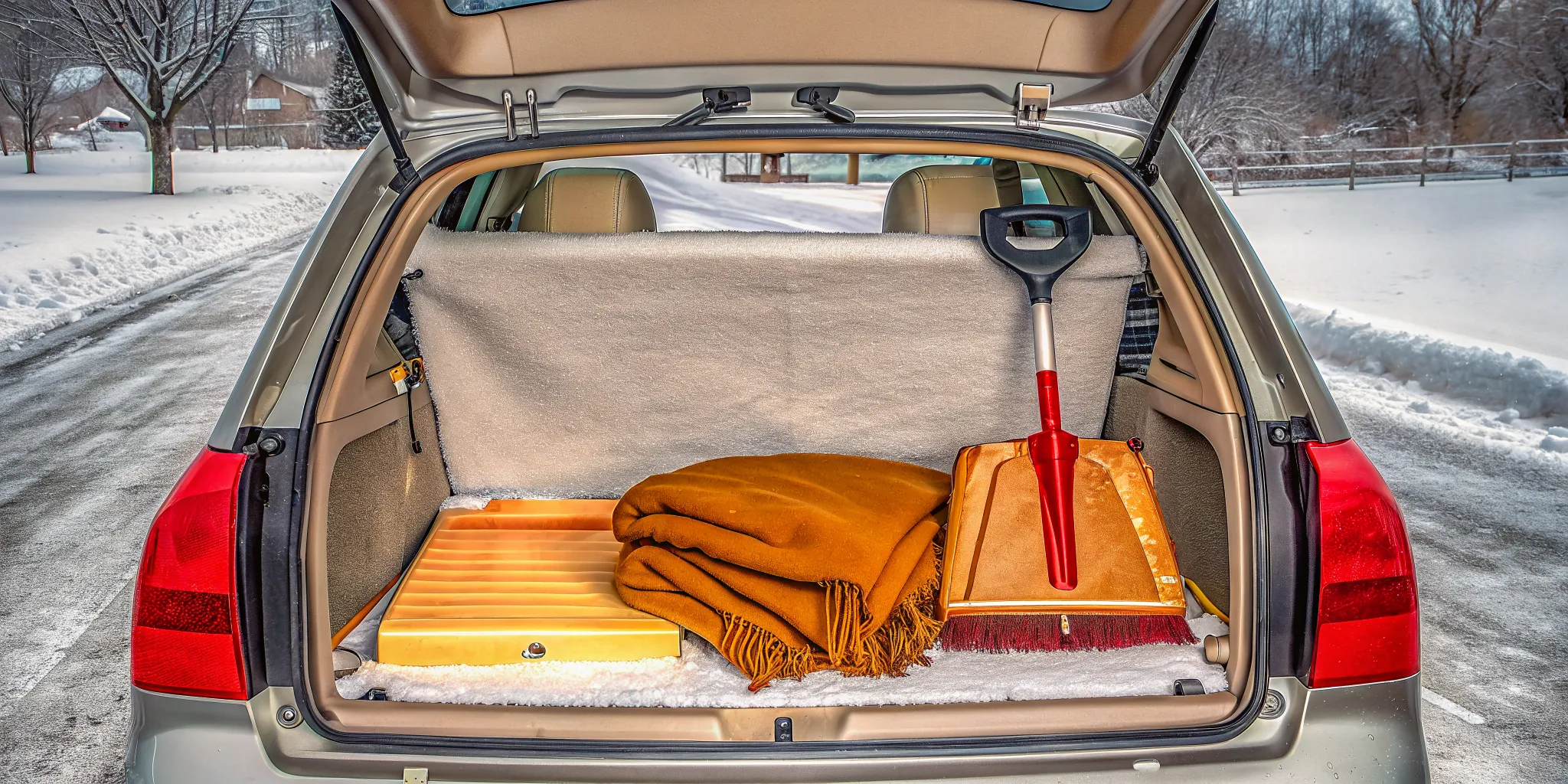
Why the right tools make a big difference
Using a small scraper can make winter prep a slow chore. But a large tool can help you clear snow fast. It reduces your effort and gives you a clear view with much less work.
This tool is also highly versatile. It is multi-functional and acts as a scraper, a snow pusher, and a car floor protector for use all year. Plus, it comes with a 5-year performance guarantee so you know it will last. It is the perfect starter tool to keep in any new driver's trunk.
Clearing every car surface of snow and ice is a vital habit that prevents road hazards. Using a fast, heavy-duty scraper makes this routine easy and safe for new drivers. Make a complete sweep part of your winter prep before you ever start your car.
How Much Following Distance Do You Need in the Snow?
When roads turn white, standard driving rules no longer apply. You must adjust how you drive to stay safe. One of the best winter driving tips for new drivers is to give yourself plenty of space. Slick roads make it much harder to stop your car when you need to.
The six-second safety margin
In dry weather, you often stay two or three seconds behind the car in front of you. But snow and ice reduce tire grip and make it harder to stop. Because of this, you should increase your following distance to at least four to six seconds. You can read more about this in our winter driving safety checklist.
To measure this space, watch the car ahead pass a sign or pole. Then count how many seconds it takes for your car to reach that same spot. If you reach it before you count to six, slow down and create a bigger gap. This extra space gives you a safety buffer if the car ahead stops quickly.
- Pick a fixed marker ahead, like a road sign or overhead bridge.
- Start counting the moment the car in front of you passes that marker.
- Stop counting when your own car reaches the same point.
- If the count is under four seconds, ease off the gas and create more space.
Speed limits versus safe speeds
Many new drivers make the mistake of driving the posted speed limit in a storm. But posted speed limits are only for perfect roads and clear skies. When snow is falling, you must slow down to match the slick roads.
Never feel rushed by other drivers behind you. Your safety is much more vital than their hurry. Keep your steering movements smooth and gentle to prevent your tires from sliding. If you do start to skid, stay calm and ease your foot off the gas pedal.
Cold weather and tire pressure
A safe following distance is only half the battle when driving on snow. You must make sure your tires can grip the road. As the air outside gets cold, your tire pressure drops with it. When pressure is low, your tires will slip.
You should check your tires often during the cold winter months. Make sure each tire has the correct amount of air based on the maker's guide. A winter car safety checklist will help you keep your car ready. For more advice, see the official government winter tips.
To stay safe in the snow, new drivers must increase their following distance to four to six seconds. This extra space gives you more time to stop when road traction is low. You must also drive below the speed limit to match slick roads. Check your tire pressure often as the weather gets cold.
The Winter Emergency Kit Every New Driver Needs in the Trunk
When you first start driving in the snow, being ready is your best tool. One of the key winter car safety checklist steps is packing a solid trunk kit. If you get caught in a storm, these items will keep you safe, warm, and visible. A few minutes spent prepping your car can prevent a long night on the side of the road.
Essential gear for freezing commutes
A good roadside kit contains simple tools that can make a big difference. You should pack a warm blanket, a flashlight, jumper cables, a first aid kit, and a phone charger. But the most vital tool in your trunk is a strong scraper. Packing these items before the cold weather starts ensures you are never left helpless.
Standard small tools make clearing ice hard work for new drivers. Because The EDGE ice scraper is lightweight, it helps teens clear snow and ice without needing much strength. It even comes with a 5-year performance guarantee so you know it will last.
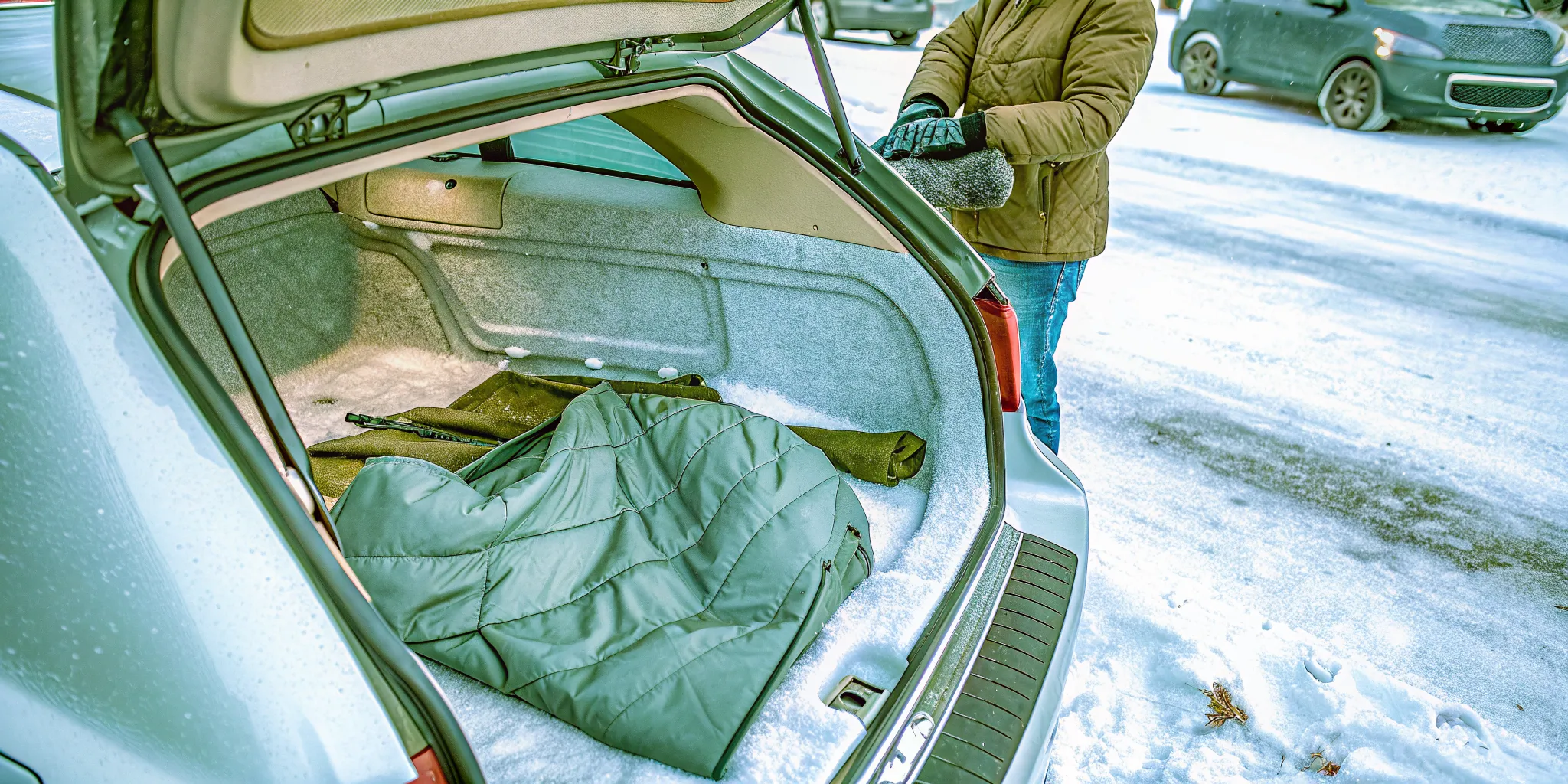
How to stay safe if you get stuck
If your car stalls or gets stuck in a snowdrift, do not panic. Safety experts at the National Highway Traffic Safety Administration advise that you stay with your vehicle. Walking in a blizzard is dangerous, but staying in your car keeps you sheltered.
You must make your car easy for others to see. Put bright markers on your antenna or windows, and leave your cabin dome light on so rescue teams can find you. Rescuers can spot a lit cabin from a great distance in the dark. These simple winter driving safety checklist habits protect you when help is on the way.
Avoid invisible exhaust hazards
When you are waiting for help, you may want to run your engine to stay warm. But you must be careful about carbon monoxide. This gas has no smell and can be deadly.
Before you turn on the key, check the back of your car. Make sure your exhaust pipe is clear of any packed snow or ice. Run your engine only now and then, just long enough to keep the cabin warm. This is one of the key winter driving tips for new drivers to prevent dangerous gas from entering the car.
Summary: A complete winter trunk kit protects new drivers from seasonal hazards. Packing essentials like blankets, a flashlight, and The EDGE scraper makes clearing snow painless. If you get stuck, stay with your vehicle. Use bright markers to be seen, and make sure your exhaust is clear of snow to stay safe.
How Parents Can Coach a Teen Through Their First Winter
Teaching a teen to drive in snow takes calm and prep. As a parent, you help them build trust when tires lose grip. Sharing winter driving tips for new drivers is a great way to start.
Before they head out on their own, you should review a winter driving safety checklist with them. This prep will make winter driving much safer for your teen. Working as a team makes winter prep and learning smoother for both of you.
Supervised practice on winter roads
New drivers need lots of practice before they drive alone in snow. You should ride with your teen on many roads during day and night hours. It is best to try driving in bad weather and heavy traffic to build skill.
The CDC urges you to use guided road practice to help them learn. Hands-on experience under your watchful eye is the best teacher.
Start in empty parking lots, then move to quiet streets when snow starts to fall. As they gain skill, take them on hilly roads or highways. Practice braking slowly on slick surfaces so they feel how the car reacts.
Clear rules for a safer drive
Set firm rules before you hand over the car keys. You can write a parent-teen driving contract. This contract should ban things that take their focus off the road.
For example, your teen must not eat, text, or play with the radio while they drive. Losing focus for a second can cause a crash on slick roads.
The CDC urges you to use a driving agreement to set these safety limits. Also, keep them off the road by 9 or 10 pm for their first six months. Night driving in winter is too risky for a new driver.
Planning safer winter routes
Help your teen plan their trips to avoid danger. When they must travel, tell them to choose daylight hours and well-known routes. They should stick to main roads that are ploughed and salted first. These main roads are safer than side streets because city crews clear them first.
Part of learning is knowing when to stay home. If the snow is too deep, they should wait or delay the trip. Check the local weather together before they leave the house. Staying off the road in a bad storm is the safest choice they can make.
Parents can help teens master winter driving by guiding their road practice and setting clear rules. Use a driving contract to limit night driving and keep focus on the road. Choosing safe, salted roads and knowing when to stay home will keep your young driver safe all season.
Stash The EDGE in their trunk before the first snow. Ready to start?
Frequently Asked Questions
How much following distance should you keep in winter conditions?
You should keep a following distance of four to six seconds on winter roads. This gap gives you enough time to stop when tires lose grip. The CAA notes that posted speed limits are only for dry roads. New drivers need to slow down and leave extra space behind other cars. Do not rush when driving in the snow.
What should new drivers do if their car starts to skid on ice?
If your car starts to skid, do not panic and do not slam on the brakes. Instead, take your foot off the gas pedal to slow down. Look where you want the car to go and steer gently in that direction. Safety guides from The EDGE show that smooth steering helps you get control back on slick roads. Never make quick turns when you lose grip.
Why is it important to clear all snow off your car before driving?
Leaving snow on your car is dangerous because it blocks your view of the road. High winds can blow loose snow off your roof and block the view of other drivers. In many places, driving with snow on your car is against the law. The CAA warns that ice and snow can become flying hazards. Always clear your car fully before you start to drive.
Why do new drivers need a sturdy ice scraper for winter prep?
Seeing well is key to safe winter driving, but scraping ice can be hard work. A strong scraper helps you clear frost and thick ice from your windows fast. Product info from The EDGE shows that its wide design helps new drivers prep their cars with less effort. Having the right tool in your trunk makes cold morning commutes much safer.
Ready to prepare your teen for winter driving?
Do not let their first winter commute become a hazard by waiting until the first major blizzard leaves them stuck on icy roads. Getting the right gear today means they can clear their windows with ease and drive with clear views from day one. You can protect their safety, avoid morning delays, and give yourself peace of mind before the snow starts falling.
Request your Edge ice scraper today and equip your new driver with The EDGE for their first snow commute. Help them stay safe, clear their view quickly, and drive with care all winter long.