


Winter Car Safety Checklist: Prep Your Vehicle for Snow Season
Andrew MelamedWinter car safety starts with a complete pre-season car check and a well-stocked emergency kit to protect your family before the first freezing temperatures arrive. To stay safe on slick roads, you must inspect your tire tread depth, check your tire pressure, and make sure you have fresh antifreeze. According to the AAA Foundation for Traffic Safety, bad winter weather and sloppy road conditions factor into more than two thousand tragic road deaths every year.
You must also test your battery, check your vehicle lights, and replace your worn windshield wiper blades before the first heavy snowstorm hits your area. Carrying key tools like jumper cables, blankets, and a flat-stowing ice scraper will keep your car running and protect your family in freezing weather.
Winter Car Safety: Check Your Tires for Winter Readiness
Your tires are the only part of your car that touches the cold road. Keeping them in good shape is vital for your winter car care checklist and daily driving. Safe tires keep you on the road when snow and ice cover the asphalt. If you neglect them, you risk sliding or getting stuck in a storm.
How does cold weather affect tire pressure?
When the air gets cold, your tire pressure drops. Cold air contracts, which lowers the pressure inside each tire. You need to check this pressure often to maintain your winter car safety. Low pressure hurts your traction, wears out the tread, and ruins gas mileage. It can also cause a tire to blow out, which can cause a crash on slick roads.
Always check your tire pressure when the tires are cold. This means the car has sat still for at least three hours. Do not check them right after driving, as heat raises the pressure reading. Fill each tire to the level shown on your car door frame. Never use the max pressure on the tire sidewall. You can find these steps in the NHTSA winter driving tips for safe travel.
How do you check winter tire tread?
Tread is what grips the snow and keeps your car from sliding. Without deep tread, your tires cannot channel slush and water away from the rubber. This can cause you to spin out or lose control on slick roads. When you cannot stop in time, your risk of a crash goes up.
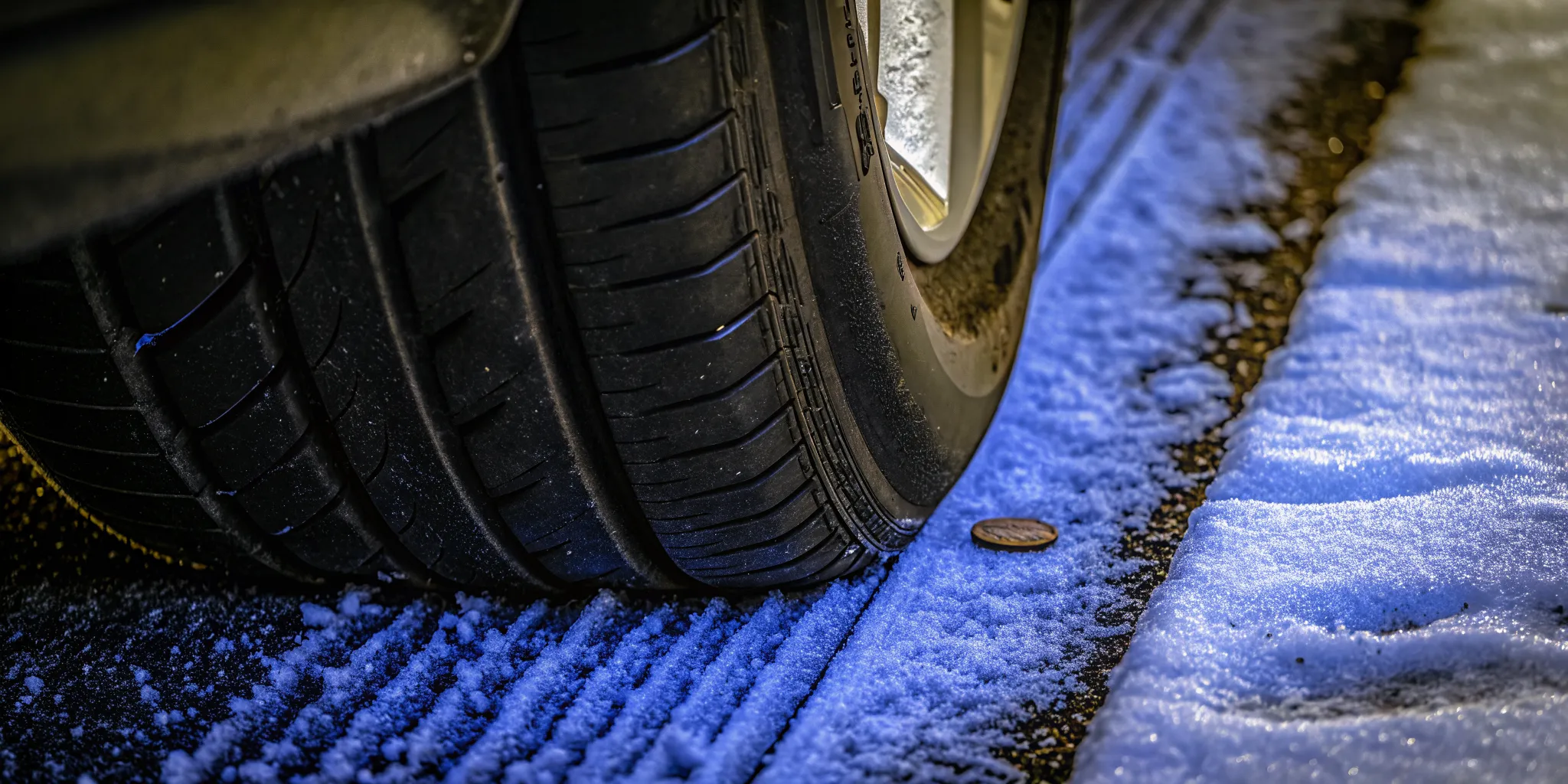
Your tires must have at least 2/32 of an inch of tread to stay safe in winter weather. You can check this depth with a simple penny test. Place a penny into a tread groove with Lincoln head upside down. If you can see the top of his head, your tread is too thin and you need new tires. If your tires fail this test, replace them before the first snow storm.
When should you replace your tires?
Tread wear is not the only sign that you need new tires. Rubber degrades over time, even if you do not drive very far. Most car makers advise that you replace tires every six years. Old rubber can crack and fail, which puts your safety at risk when driving in the cold. Do not risk your life on old tires that might fail.
You should also think about getting winter tires if you live in a place with heavy snow. Winter tires use a special rubber that stays soft in freezing cold. They also have deeper tread patterns to grip ice and packed snow. Standard all-season tires harden when the temp drops, which hurts their grip on the road. Safe tires are key to winter car safety in heavy snow.
What Does Your Battery Need Before Winter?
Why Cold Weather Drains Battery Power
Cold weather is tough on car batteries. When frost sets in, a battery has to work twice as hard to turn over your engine. At the same time, the cold slows down the inner work of the battery, cutting its power in half. To avoid getting stuck in the snow, you must plan ahead with a solid winter maintenance checklist.
You should get a car check as often as the maker suggests. Active winter car safety must include battery care to prevent starting issues in deep cold.
Four Steps to Prep Your Car Battery
- Test the cold cranking amps. Have a local shop check if your battery can handle the strain of deep cold mornings.
- Clean the battery posts. Use baking soda mixed with warm water to scrub off crust that blocks the flow of power.
- Check the battery age. Most car batteries last between three and five years, so think about getting a new one if yours is old.
- Keep the battery warm. Park inside a garage when you can, or use a battery blanket in very cold places.
- Watch for warning signs of failure. Dim headlights, a slow engine crank, or clicking sounds when you turn the key are clear red flags.
How to Handle a Weak Battery
If you find a weak battery, do not wait. A battery that struggles in fall will fail when freezing weather hits. You can use jumper cables to jump start your car, but that is only a quick fix. Your best move is to get a new battery before you are left stranded in a winter storm.
A dead battery is more than a pain. It is a big safety risk, even more so if you are stuck in the dark or on a busy road. Checking your battery now is a simple step that keeps you and your family safe all winter long.
Build a Winter Emergency Kit That Actually Works
A sudden winter storm can turn a routine drive into a tough spot. A well-prepared car emergency kit makes sure you can handle unplanned stops on the road. It keeps you safe if you get stuck.
This is key when you must wait for help. Many drivers forget to pack these items before the first freeze. Preparing your car now is a core step for winter car safety.
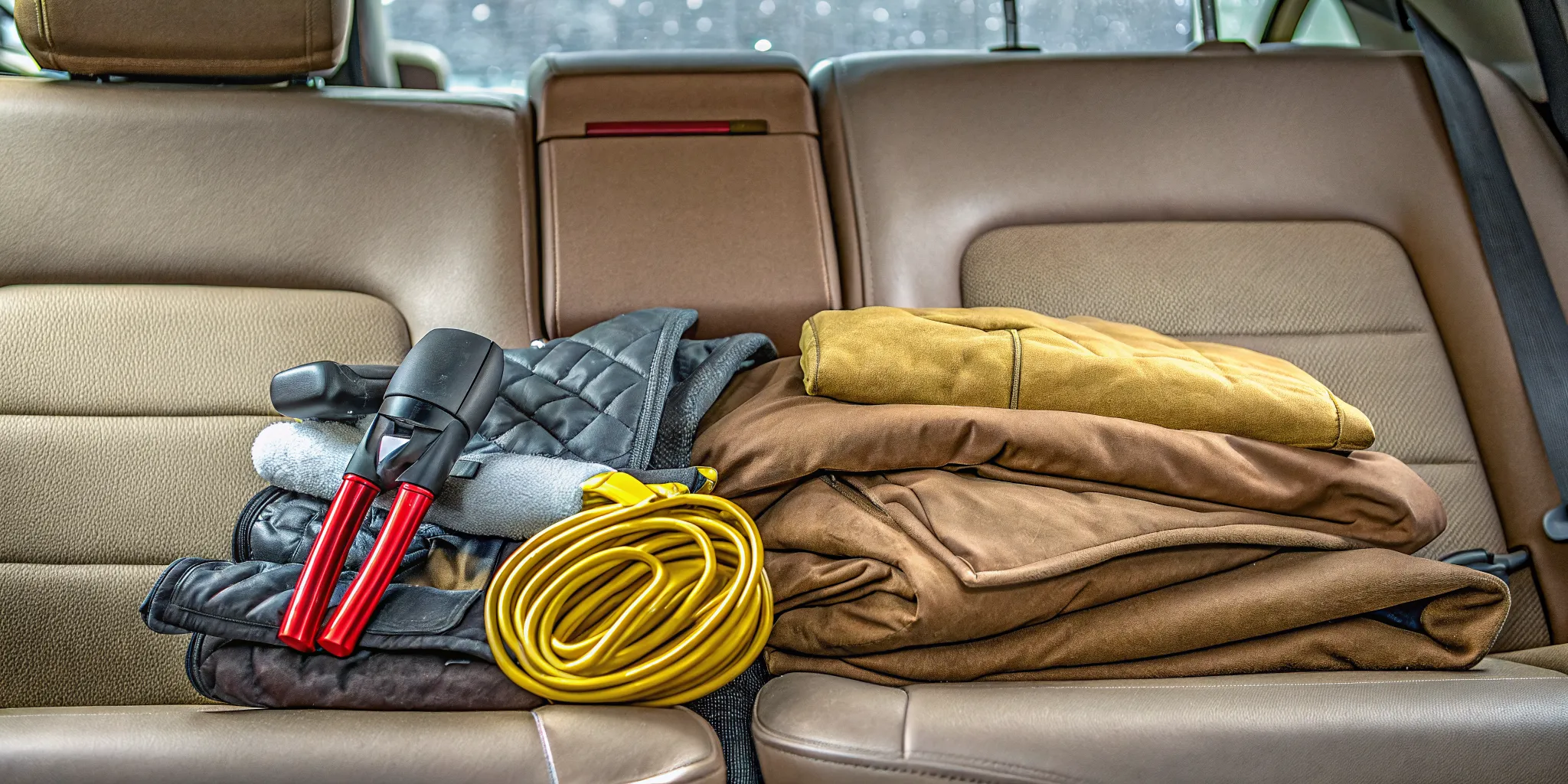
Key gear for unplanned stops
According to government rules on winter driving, a proper emergency kit must have specific gear to keep you safe. You should not wait for a major storm to gather these supplies. Having the right tools ready can prevent panic and save lives in cold weather. Your kit should include the following items to handle sudden road stops.
- A flashlight and extra batteries to help you see in the dark.
- Bottled water and non-perishable snacks for quick energy.
- A warm blanket and a first aid kit for health needs.
- Road flares and jumper cables to handle roadside issues.
- A heavy-duty ice scraper to clear your windows quickly.
These simple tools can help you a lot during a breakdown. A bright light helps others see your car, while food and water keep your energy up. Jumper cables can revive a dead battery to get you back on the road. Keeping these items in your car means you are ready for any cold weather surprise.
Why your scraper design matters
An ice scraper is a key part of your safety kit. Standard scrapers are often small, weak, and hard to stow. Choosing a solid tool like The EDGE ice scraper makes your winter prep faster and safer. This special scraper helps you clear heavy buildup with less effort.
This scraper has a unique design that is 18 inches wide and 14 inches long to cover a wide area. Because it has no bulky handle, it stows fully flat in your car. Its paint-friendly Rubber Snow Plow takes loose snow off your car panels, and its hard blades are for glass and ice only.
It also includes a built-in Wiper Blade Clearing Groove to clear ice from your wiper blades. This tough tool comes with a 5-year performance guarantee. Learn how to scrape ice off windshield glass the right way. Using the correct method protects your glass and saves time.
| Feature | Standard Plastic Scraper | The EDGE Ice Scraper |
|---|---|---|
| Surface coverage | Small, narrow blade | 18 inches wide by 14 inches long |
| Stowage | Bulky handle, hard to stow | Handle-free, stows flat in seat pocket |
| Paint protection | Sharp edges scratch paint | Paint-friendly smooth edges |
| Wiper blade care | No de-icing feature | Built-in Wiper Blade Clearing Groove for wiper ice removal |
| Durability guarantee | None or 1 year | 5-year performance guarantee |
Where to store your winter gear
Many people make the mistake of storing their emergency supplies in the trunk. If your lock freezes or snow blocks the trunk lid, you will not be able to reach your gear. You should keep your safety kit in the main cabin instead. This keeps your tools warm and easy to grab in seconds.
Stowing your flat-pack scraper in a seat-back pocket or under a seat keeps it within arm's reach. You can grab it to clear your glass without stepping out into deep drifts. Keeping your scraper close by helps you clean snow off your windows fast. This small stowage choice keeps you warm, dry, and safe when severe winter weather hits.
How Do You Check Antifreeze, Wipers, and Fluids?
Winter weather is hard on your car. Checking your fluids is a vital part of winter car safety. If you do not prepare, cold air can cause big problems for your engine and windshield. Taking a few simple steps now will keep you safe on the road.
Test your antifreeze and engine coolant
Your radiator needs the right mix of water and antifreeze to stay working. Check your antifreeze level each fall. This helps you prepare before the cold hits. You can use a cheap tester to check your coolant mixture. This test shows if your fluid can stop your engine from freezing. If it is low, add more right away. Learn more about these checks from the Centers for Disease Control and Prevention.
Windshield wipers and washer fluid
Clear sight is a must when you drive in snow. You should replace worn windshield wiper blades before winter to keep your view clear. The CDC suggests checking these parts to prevent crashes. Worn blades leave streaks. They can even fail during heavy snow storms. Also, fill your washer tank with winter-grade fluid. This special fluid has alcohol to keep it from freezing on your glass.
Ice on wiper blades is a common pain. When ice builds up on your blades, a good scraper with wiper slots can help. For example, you can clear ice from your wipers quickly with the three de-icing slots on The EDGE ice scraper. This helps your blades sweep clean and keeps your glass clear of frost.
Keep your fuel tank half full
Cold weather can also affect your fuel system. You should keep at least half a tank of fuel in your car during winter. This simple habit keeps ice from forming in your fuel lines. When a tank is empty, wet air can freeze inside. A half-full tank also gives you peace of mind if you get stuck in a storm.
Before you drive, you should read our pre-trip snow clearing guide to get your car ready. Checking your fluids and clearing your glass are both key steps to stay safe this winter. Keeping your tank full and your wipers fresh will help you handle any storm.
What Should You Do If You Get Stuck in a Winter Storm?
If you get stuck in a winter storm, stay inside your car to keep safe from the cold. Make your car easy to see, keep the exhaust pipe clear of snow, and only run the engine for short periods to stay warm.
Driving in heavy snow is very risky. Winter storms and sloppy roads cause about half a million crashes each year. These winter crashes lead to more than 2,000 road deaths, according to AAA crash data.
During snow or sleet in 2023, there were 320 fatal crashes and over 22,000 injury crashes, based on NHTSA traffic safety reports. When a storm leaves you stranded, knowing how to stay safe is vital. Using a smart list and proper winter pre-trip preparation can keep you out of harm's way.
Immediate steps for safety when stranded
If your car gets stuck in the snow, stay inside. Do not walk away to find help during a heavy storm. You can get lost very fast in blowing snow, and walking in deep drifts will make you tired very fast. Staying inside your car is the best way to stay warm and safe while you wait.
You must also make sure that help can find you. Use bright markers like a colored cloth on your car antenna or window to signal for help. Turn on your dome light inside the car when it gets dark. These steps make your vehicle much more visible to rescue teams on the road, as suggested by government winter driving guidelines.
How to maintain warmth and prevent carbon monoxide poisoning
Staying warm is your main goal. But you must also protect yourself from carbon monoxide poisoning. Step outside to make sure your exhaust pipe is clear of packed snow. If snow blocks the pipe, deadly gas can quickly build up inside your car and put your life at risk.
Only run your engine for short periods. Ten minutes of engine run time each hour is enough to keep you warm, according to federal safety tips. To do this, you should keep at least half a tank of fuel in your vehicle. Keeping your fuel tank half full also prevents ice from forming in your lines.
Safe driving choices and sharing the road
If you must drive in snow, change how you drive your car to boost winter car safety. Slow down and increase your following distance to at least five to six seconds. This extra space gives your tires enough room to stop safely on slick asphalt, which helps you avoid a bad crash.
Be very careful around snow plows on the highway. These large trucks travel slowly, make wide turns, and stop often. Give them plenty of space because they can throw heavy snow into your path. If you must pass, do so with caution, as advised by NHTSA winter safety experts.
Frequently Asked Questions
What are the 3 P's of safe winter driving?
The 3 P's of safe winter driving are Prepare, Protect, and Prevent. As outlined by the NHTSA, you must prepare your car, protect yourself, and prevent crashes. This means checking your tires, using seat belts, and slowing down when roads are bad.
How cold is too cold to drive your car?
There is no set point where you must stop driving, but extreme cold raises your risks. Most cars work fine in winter, but you may see more engine and battery issues once it drops below 0°F. If the weather hits -20°F or colder, it is best to stay home and avoid driving unless you have to go.
Is it important to keep your gas tank full in winter?
Yes, keeping at least half a tank of fuel is vital during cold weather. As noted by AAA, a full or half-full tank prevents water from freezing in your fuel lines. It also makes sure you can run your engine to stay warm if you get stuck in a storm.
What items should be in a winter car emergency kit?
Your kit should hold items to keep you safe if you get stuck. The CDC says you need a flashlight, water, a blanket, and food. You also must pack jumper cables and a tough ice scraper like The EDGE to clear your glass.
Ready to Prepare Your Vehicle for Winter Driving?
Leaving your car unprepared for freezing weather leads to dead batteries, frozen wiper blades, and iced windshields. These sudden winter road problems can leave you stranded in the cold and cause costly damage. Setting up your emergency winter kit today makes sure your car can handle the worst winter storms without any stressful or costly delays on the road.
For business owners, keeping your fleet safe on snowy roads is even more vital. Cold winter weather delays can hurt your bottom line and put your team at risk. Getting your cars ready today with our bulk packages ensures your workers stay safe and your business stays on track all season long.
Ready to prepare? Buy The EDGE now and get your winter safety kit complete.