


The No-Nonsense Winter Car Safety Checklist
Andrew MelamedYou wouldn’t use a butter knife to shovel your driveway, so why rely on flimsy, inadequate tools for your car? When you’re faced with a thick sheet of ice on your windshield, having the right equipment is the difference between a frustrating delay and a safe start to your day. Your preparation is only as good as the tools you use. Investing in quality gear and a solid plan is the foundation of winter readiness. This winter car safety checklist will guide you through assessing your current setup, upgrading your essentials, and building the habits you need to drive safely and confidently through the coldest months.
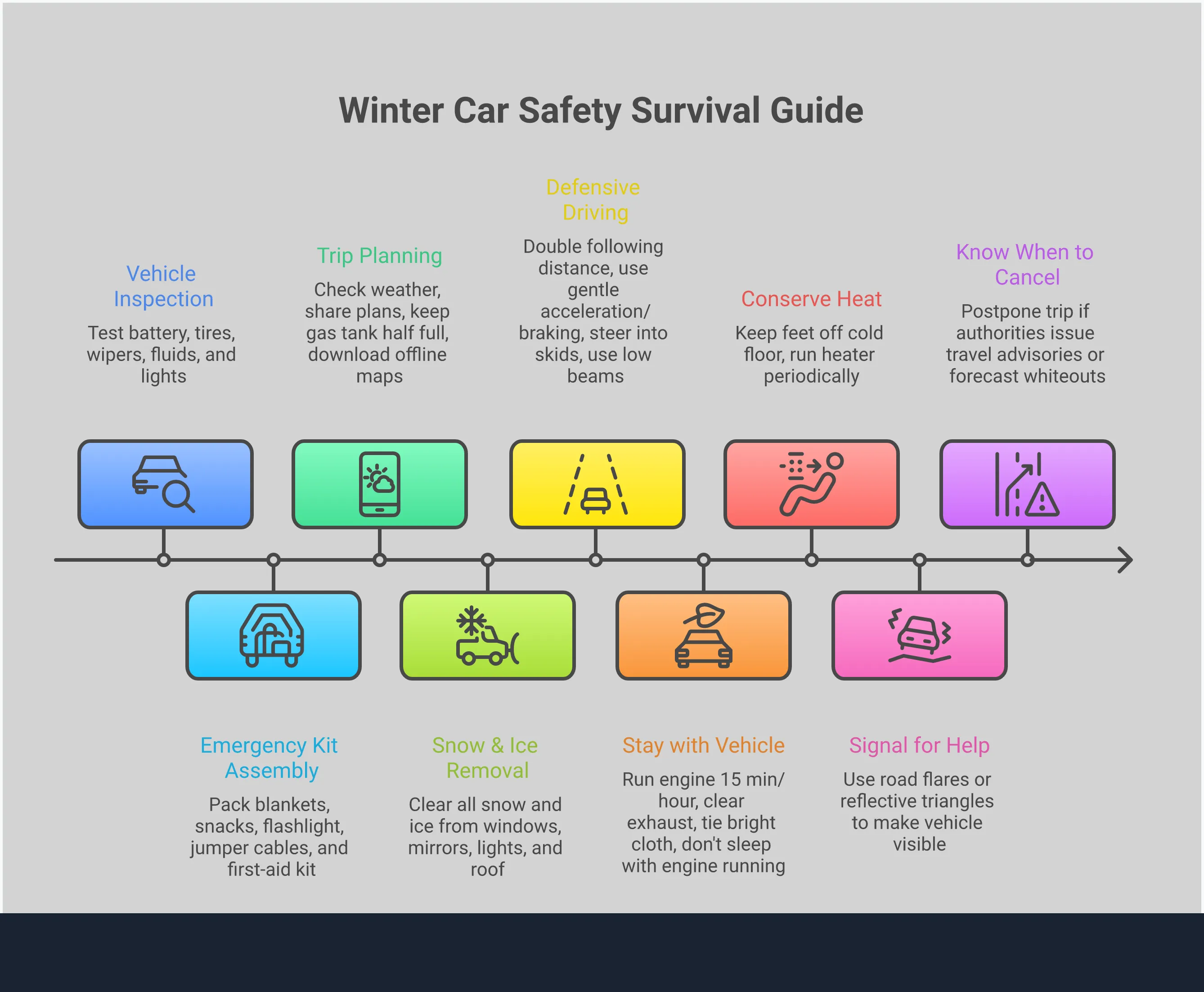
Key Takeaways
- Preparation is your best policy: Get your car winter-ready with a check-up on the battery, tires, and fluids, and pack a survival kit with essentials so you’re prepared for anything.
- Drive defensively on slick roads: Clear your car of all snow and ice for total visibility, reduce your speed, and increase the space between you and other vehicles to stay in control.
- Plan your trip and prioritize safety: Check the weather forecast before you go, keep your gas tank at least half full, and if you get stranded, always stay with your vehicle until help arrives.
Build Your Winter Car Survival Kit
Winter doesn’t play fair, and your car should be ready for the worst. A dead battery or a sudden whiteout can turn a simple commute into a dangerous situation fast. Having a well-stocked emergency kit isn't about being paranoid; it's about being smart and self-reliant. A few essential items can make the difference between a minor inconvenience and a true emergency. Think of it as your roadside insurance policy. Store your kit in the back seat or another accessible spot inside your car, just in case your trunk freezes shut.
Survival Essentials
If you get stranded, your first priority is staying warm and safe. Start with the basics: a thick blanket or a sleeping bag, plus extra hats, gloves, and socks. Your body burns calories to stay warm, so pack non-perishable, high-energy snacks like granola bars and nuts, along with a few bottles of water. A powerful flashlight with extra batteries is a must-have for signaling or making repairs in the dark. A simple first-aid kit can handle minor injuries. The goal is to have everything you need to stay safe in your vehicle until help arrives.
Vehicle Maintenance Tools
Sometimes, you can solve the problem yourself if you have the right gear. A set of jumper cables is non-negotiable for dealing with a dead battery. To get moving on slick surfaces, keep a bag of sand or cat litter in your car for instant traction under your tires. A small, collapsible shovel can help you dig out of a snowbank. Also, make sure your car is ready before you even leave the driveway. Keep your gas tank at least half full to prevent fuel lines from freezing, and top off your windshield washer fluid with a winter-grade solution that won't turn to ice.
Communication and Visibility Gear
If you’re stuck on the side of the road, you need to be seen. Your kit should include road flares or reflective triangles to alert other drivers and emergency services to your location. A brightly colored cloth tied to your antenna or window also helps make your vehicle more visible in a storm. A whistle is a low-tech but effective way to signal for help if you can’t be seen. And since your phone is your primary lifeline, a fully charged portable power bank is one of the most important winter driving safety tools you can carry.
Get Your Car Winter-Ready
Don’t wait for the first blizzard to realize your car isn’t prepared. A little prep work now saves you from a massive headache later, like being stuck on the side of the road in freezing temperatures. Getting your vehicle ready for winter isn’t just about convenience; it’s a critical safety step. Think of it as your car’s winter coat and boots. A well-maintained vehicle can handle slick roads, frigid starts, and poor visibility with much greater reliability. Before the temperature drops, run through this simple checklist to make sure your car is as ready for the season as you are.
Check Your Battery and Electrical Systems
Cold weather is tough on car batteries. The last thing you want is to turn the key on a frosty morning and hear nothing but a sad click. Before winter truly sets in, get your battery tested. Most auto parts stores or mechanics can do this for you, checking its charge and overall health. A battery that works fine in the fall can easily fail when the temperature plummets. While you’re at it, do a quick walk-around to check all your lights: headlights, taillights, brake lights, and turn signals. Shorter days and messy weather mean you need every bit of visibility you can get.
Get a Grip: Tires and Traction
Your tires are the only part of your car that actually touches the road, so their condition is non-negotiable for safe winter driving. First, check your tire tread. If the tread is worn down, your ability to grip slick, icy surfaces is seriously compromised. For those living in areas with heavy snow, winter tires are a worthwhile investment. Finally, check your tire pressure regularly. Cold air causes pressure to drop, and underinflated tires don’t perform well. You can find the correct pressure for your vehicle on a sticker inside the driver’s side door.
Top Off Fluids and Antifreeze
Your car relies on several key fluids to run properly, and winter conditions can put them to the test. The most important one is your antifreeze, or coolant, which keeps your engine from freezing solid. Make sure your coolant is at the proper level and is rated for the temperatures in your area. Just as crucial is your windshield washer fluid. Swap out your standard fluid for a winter-specific blend that contains a de-icer. This will keep the fluid from freezing in the reservoir or on your windshield, ensuring you can always clear away road salt and grime for better visibility.
Prep Your Wipers and Windshield
If you can’t see, you can’t drive safely. Your wiper blades are your first line of defense against snow, sleet, and road spray. Inspect them for any signs of cracking, tearing, or wear. Worn-out blades just smear moisture around instead of clearing it, which can be incredibly dangerous in a storm. Replacing them is an inexpensive and simple fix that makes a huge difference. A good set of wipers, paired with a full reservoir of freeze-resistant washer fluid, will keep your view of the road clear no matter what winter throws at you.
Upgrade Your Snow and Ice Removal Tools
That flimsy plastic scraper you got for free isn’t going to cut it when you’re faced with a thick sheet of ice. A cheap tool that snaps mid-scrape is frustrating and leaves you stranded. Investing in a high-quality removal tool is essential for safety and visibility. The EDGE Snow + Ice Scraper is built to dominate winter, clearing ice and snow from the whole car. Its hard blades clear the glass, its paint-friendly Rubber Snow Plow takes loose snow off any vehicle surface, and its Wiper Blade Clearing Groove keeps your blades free of ice buildup. Backed by a 5-year performance guarantee, it’s the last scraper you’ll need to buy.
Drive Smarter on Icy Roads
Once your car is prepped and your survival kit is packed, the final piece of the puzzle is adjusting how you drive. Slick, icy roads demand more focus and a different approach than a clear summer highway. It’s not about being scared of the conditions; it’s about respecting them. Mastering a few key defensive driving habits will keep you, and everyone else, safer on the road. These aren’t complicated maneuvers, just smart, simple adjustments that make a world of difference when the temperature drops and the snow starts to fall.
Clear All Snow and Ice First
Before you even think about putting the car in drive, make sure it’s completely clear of snow and ice. That means every window, both side mirrors, your headlights, taillights, and the entire roof. Flying snow and ice from your roof can create a blind spot for the driver behind you, leading to dangerous situations. A quality tool like The EDGE makes quick work of the job, but the most important thing is to be thorough. Full visibility isn’t a suggestion; it’s a requirement for safe winter driving.
Adjust Your Speed and Following Distance
Winter driving is all about giving yourself more time and space. You need to slow down significantly and increase the distance between you and the car ahead. A good rule of thumb is to double or even triple your normal following distance. This gives you more time to react if they brake suddenly. Apply gentle, steady pressure to both the gas and the brake pedals. Abrupt acceleration or braking can cause your tires to lose their grip. Smooth, deliberate movements are the key to staying in control on slippery roads.
How to Handle a Skid
Even the most careful drivers can hit an unexpected patch of ice. If you feel your car start to skid, the most important thing is not to panic. Your first instinct might be to slam on the brakes, but that can make the skid worse. Instead, take your foot off the accelerator and gently steer in the direction you want the car to go. Look toward your intended path, not at the obstacle you’re trying to avoid. This simple action helps your tires regain traction and allows you to straighten out the vehicle.
Use Your Lights to See and Be Seen
Visibility is a two-way street. In heavy snow or fog, always use your low-beam headlights. High beams will reflect off the snowflakes or fog, creating glare and actually reducing how much you can see. Just as importantly, make sure your headlights and taillights are completely clear of snow and ice before you start driving. This ensures other drivers can see you from a safe distance. It’s a simple check that takes only a few seconds but dramatically improves your visibility to others on the road.
What to Do if You're Stranded in a Storm
Even with the best preparation, a sudden whiteout or mechanical failure can leave you stranded. It’s a scary situation, but panic is your worst enemy. Knowing exactly what to do can keep you safe until help arrives. Your car is your best shelter, so the first rule is simple: stay put. From there, it’s all about conserving energy, staying warm, and making sure you’re visible to rescuers. These steps are straightforward but critical. Follow them closely to turn a dangerous situation into a manageable one.
Stay With Your Vehicle
Your car is a shelter on wheels and a much larger target for rescuers than a person trudging through the snow. The North Dakota Department of Transportation puts it plainly: it’s always best to stay with your vehicle so rescuers can find you. Wandering off in a storm can get you disoriented and lost in minutes. Hunker down, stay warm, and wait for help to come to you. Your chances of being found are significantly higher if you stay put.
Run the Engine Safely for Warmth
To stay warm, run your engine and heater for about 15 minutes every hour. Before you do, make sure your car’s exhaust pipe is completely clear of snow. A blocked pipe can cause deadly carbon monoxide to leak into the cabin. In extreme cold, you might need to keep the engine running continuously, as it may not restart if it gets too cold. Just be mindful of your fuel level and keep that exhaust pipe clear at all times.
Signal for Help and Stay Visible
Make your car as visible as possible. Tie a brightly colored piece of cloth, like a scarf or an item from your survival kit, to your antenna or a rolled-up window. This creates a distress signal that’s easy to spot against the white snow. If you absolutely must leave the car for a moment, experts recommend tying a rope from yourself to the vehicle. This simple lifeline ensures you can find your way back in blizzard conditions where visibility is near zero.
Avoid Carbon Monoxide Risks
Carbon monoxide is a silent killer, so take it seriously. Never go to sleep with the engine running, even if you have a window cracked. The risk of becoming drowsy and succumbing to the fumes is too high. If you’re not running the heater, try to keep your feet off the floor of the car, as it can get extremely cold and contribute to heat loss. Staying awake, aware, and warm is your top priority until you’re safely rescued.
Plan Your Winter Road Trip
A successful winter road trip starts long before you turn the key. Spontaneity is great, but not when a blizzard is rolling in. A solid plan is your best defense against slick roads and surprise storms. It’s not about being rigid; it’s about being ready for whatever winter throws your way. Taking a few simple steps to prepare your car and your route can be the difference between a fun adventure and a frustrating, dangerous ordeal. Think of it as setting yourself up for a stress-free drive, so you can focus on the road and enjoy the journey.
Complete a Pre-Trip Inspection
Before you hit the road, give your car a quick but thorough check-up. Your tires are your first line of defense, so make sure each one is filled to the recommended pressure. If you live in a heavy snow area, you might want to install snow tires for better traction. Walk around your vehicle and test all your lights and signals. Finally, confirm your winter survival kit is stocked and that you have the right tools for the job. This includes an efficient snow scraper like The EDGE, which stows flat and is always ready to clear your view completely before you pull out of the driveway.
Map Your Route and Monitor the Weather
Know where you’re going and what conditions to expect along the way. Before you leave, plan your route and check the weather forecast from start to finish. It’s always a good idea to let a friend or family member know your intended route and estimated arrival time. Modern navigation apps are great for real-time traffic, but it’s smart to have a general sense of your path in case you lose service. Give yourself plenty of extra time to get to your destination. Rushing is the last thing you want to do on a snowy highway.
Keep Your Fuel Tank Full
Make it a habit to keep your gas tank at least half full during the winter. This simple rule serves two important purposes. First, it helps prevent your car’s fuel lines from freezing up in frigid temperatures. Second, if you get stuck in traffic or stranded in a storm, a full tank of gas allows you to run the engine and heater intermittently for warmth while you wait for help. It’s a small step that provides a huge amount of security, ensuring you can stay warm and safe in an unexpected situation.
Know When It's Best to Stay Home
The most important part of any winter travel plan is knowing when to cancel it. If the forecast calls for whiteout conditions, freezing rain, or a major snowstorm, the safest decision is to stay put. Rescheduling is always better than risking your safety on treacherous roads. No appointment or event is worth getting into an accident or becoming stranded. Pay attention to weather alerts and travel advisories from local authorities. If they’re telling people to stay off the roads, listen. A cozy day at home is infinitely better than a stressful day stuck in a ditch.
Related Articles
- The Ultimate Winter Vehicle Emergency Kit Guide
- Winter Car Maintenance Checklist: How to Prepare Your Car for Winter
- The Ultimate Winter Car Maintenance Checklist
Frequently Asked Questions
My car has all-wheel drive, so do I still need to slow down on icy roads? Yes, absolutely. All-wheel drive is great for helping you get going from a stop, but it does very little to help you stop or turn on ice. Your brakes and steering are what matter most in those situations. Regardless of your vehicle's drivetrain, driving slowly and leaving extra space between you and other cars is the only safe way to handle slick conditions.
Is it really necessary to clear the snow off my car's roof? It is, and it's a critical safety step. A sheet of ice or a pile of snow flying off your roof at highway speeds can hit the car behind you, shattering their windshield or causing them to swerve. It can also slide forward onto your own windshield when you brake, completely blinding you. Taking an extra minute to clear it completely protects you and everyone else on the road.
If I can only pack a few things, what are the absolute essentials for a winter emergency kit? If space is tight, focus on the three most critical areas: warmth, communication, and energy. At a minimum, you should have a thick blanket or sleeping bag, a fully charged portable power bank for your phone, and a few bottles of water with some high-energy snacks like granola bars. These items will help you stay warm, call for help, and keep your energy up while you wait.
How often should I check my tire pressure when it's cold? You should check your tire pressure at least once a month during the winter, and any time there's a major temperature drop. Cold air causes the pressure in your tires to decrease, and underinflated tires don't grip the road properly, which is especially dangerous on snow and ice. It’s a quick check that makes a huge difference in your car's handling and safety.
Why should I invest in a better scraper when the cheap ones seem to work okay? A cheap scraper works until it doesn't, which is usually in the middle of a storm when you're already running late. They snap, take forever to clear a small peephole, and leave you frustrated. Investing in a quality tool like The EDGE means you get the job done fast and with less effort. Its durability, backed by a 5-year performance guarantee, makes it a smart, one-time purchase that ensures you have full visibility and a safer start to your drive every time.