


Winter Car Care Checklist for Commuters
Andrew MelamedWinter Car Care Checklist for Commuters
A cold battery or soft tires can turn a morning commute into a roadside nightmare. Regular checks prevent these stalls and ensure winter's got nothing on you.
A winter car care checklist helps commuters stay safe and avoid engine stalls when temperatures drop. This routine includes checking your tire pressure because cold air makes it fall by one PSI for every ten degrees. You should also look at your battery terminals to make sure they are clean and tight since cold weather lowers battery power. Keeping your fuel tank at least half full is another key step to prevent frozen lines during a long drive. These simple tasks lower your risk of a breakdown and save you time on busy mornings. The NHTSA warns that snow and sleet cause thousands of crashes every year, making vehicle prep vital for all drivers. Following this list keeps your car ready for any storm.
You need a system that fits into a tight morning schedule without cutting corners on safety. This guide focuses on the most critical steps to keep your car running smooth during the coldest months.
We cover every essential task in our winter car care checklist for commuters, starting with daily routines that help you leave faster and safer.
Winter car care checklist for commuters: the daily-ready approach
Commuting in the winter feels like a race against the clock. When the snow hits, you need a plan that keeps you safe without making you late for work. This winter car care checklist focuses on tasks you can do in minutes. Most yearly posts tell you to check your belt. But a driver needs to know if the car will start and stop today. By splitting your prep into daily, weekly, and monthly steps, you keep your car ready for any storm.
Daily prep for the morning rush
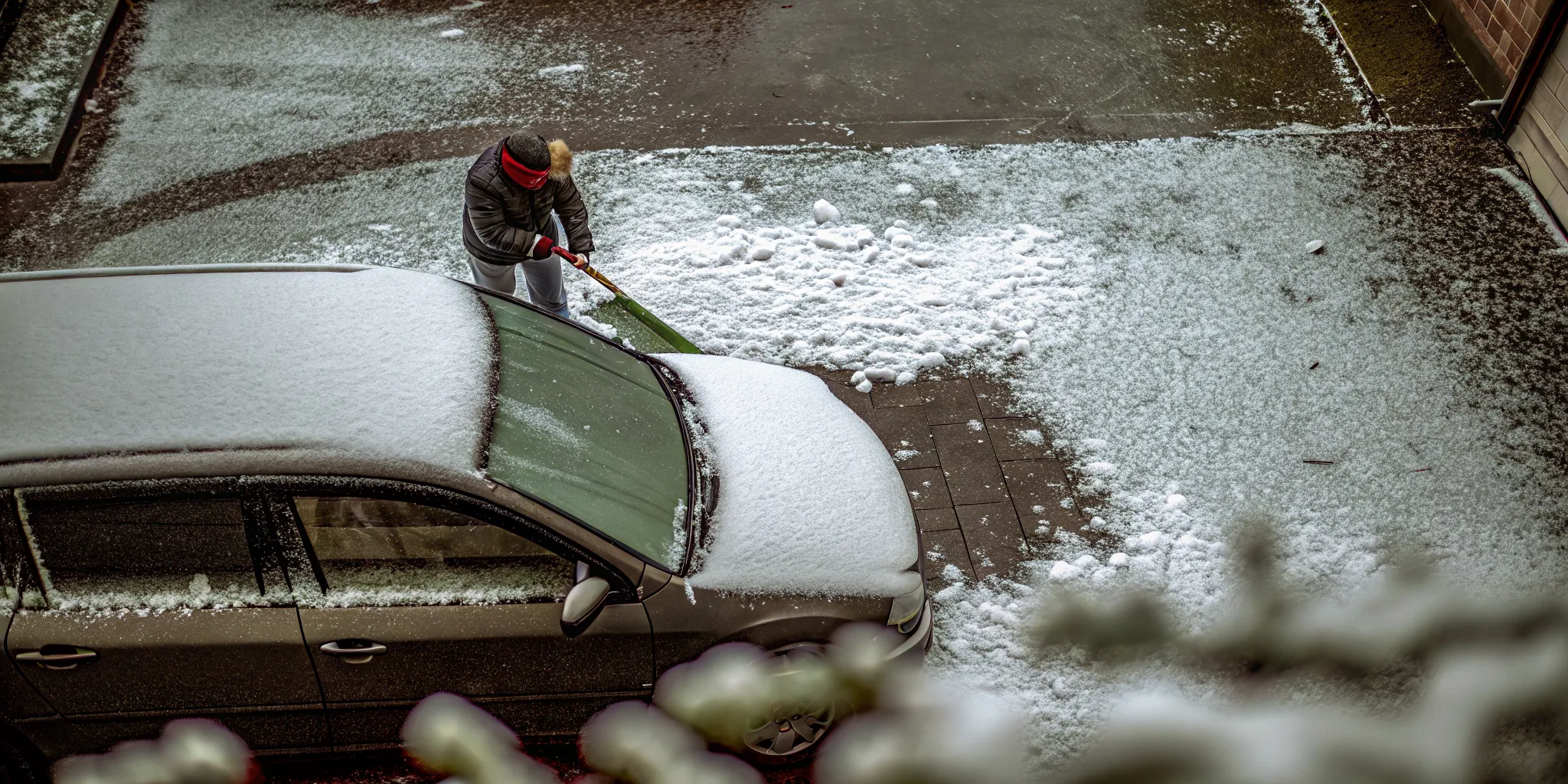
Before you put the car in gear, you must have a clear view of the road. Use a tool like The EDGE to clear snow and ice from the whole car. This includes the roof, hood, and trunk. Clearing the roof stops snow from sliding down and blocking your view. You should also safely clear ice from windshield glass to ensure you can see every turn. This keeps you and other drivers safe during your drive.
Your safety also depends on your car's exhaust. Per the CDC, a blocked tailpipe can cause deadly gas to build up inside your car. Always check that your exhaust pipe is clear of snow before you start the engine. This quick step takes seconds but can save your life during a heavy snow storm. Once the glass and pipes are clear, you are ready to hit the road for your daily trip.
Weekly checks for peak safety
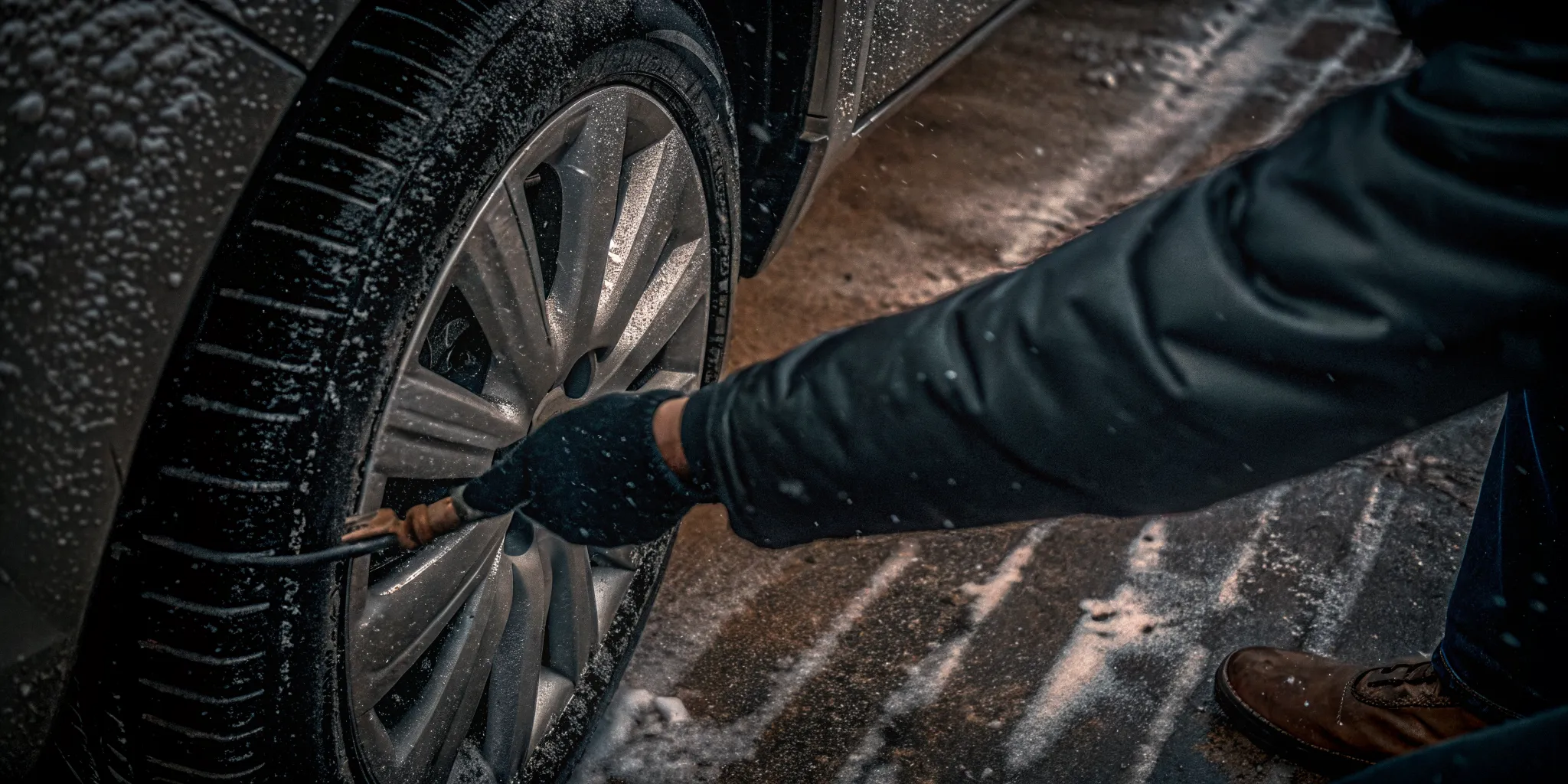
Once a week, take five minutes to look at your tires and lights. Cold weather causes air pressure to drop. In fact, tire pressure can fall by 1 PSI for every 10 degrees the temp drops. Check your tires when they are cold to get a true reading. Use the pressure levels found on your door frame to keep them full. Proper pressure helps your car grip the road and save on gas.
Check your lights while the car warms up. Ensure your headlights, turn signals, and brake lights are clean. Salt and slush can coat your lenses, making it hard for other drivers to see you. Wiping them down once a week ensures you stay visible in dark winter mornings. You should also check your wiper fluid. Refill with a winter mix that will not freeze. Taking these small steps helps you avoid common winter car care mistakes that lead to breakdowns.
| Feature | Standard Scraper | The EDGE Scraper |
|---|---|---|
| Removal per pass | One narrow strip at a time | 4x more removal per pass |
| Surface Size | 4 to 5 inches wide | 18 inches wide |
| Ice Removal | One flat edge | Ice Scoring Teeth for thick ice |
| Stowage | Bulky long handle | Stows flat or upright |
| Guarantee | None or 90 days | 5-year guarantee on the unit |
Monthly maintenance that saves time
As the winter goes on, keep an eye on your battery and fluids. Cold weather makes your battery work harder to start the engine. Once a month, check the terminals for any white crust or loose wires. Clean and tight links mean your car starts on the first try. You should also check your coolant level. If it is low, add a mix of half water and half coolant to keep your engine safe from the cold.
Check your gas tank often during the month. It is best to keep your tank at least half full. This stops your fuel lines from freezing. It also gives you a buffer if you get stuck in traffic. Finally, take a look at your air filter. If it looks dark or clogged, replace it to keep your engine running smooth. A clean filter and a full tank make your daily commute much easier for the rest of the season.
The night-before prep that saves your morning
Winter mornings are a battle against the clock. Spending five minutes on a quick winter car care checklist the night before can save you from a cold, slow start. These steps help you skip the stress and keep your drive safe, making for a much smoother exit when the sun comes up. Planning ahead is the best way to win against the winter chill.
Smart parking and planning
Check the weather forecast before you hit the hay. If snow is coming, park your car in a spot that makes it easy to leave. Aim for a flat spot away from where city plows might pile snow against your tires. This move keeps your path clear and saves your back from hard work later on.
Stay ahead of the storm and keep your gas tank at least half full. This keeps your fuel lines from freezing when the cold hits hard. It also makes sure you have enough fuel if you get stuck in heavy traffic or deep snow. Winter's got nothing on you when you are ready for the worst.
Keep your sight clear
Lift your wiper blades off the glass to keep them from freezing in place. If you leave them down, the rubber can tear when you try to use them in the morning. You should also check your washer fluid and replace wiper blades that leave streaks on your glass. Keeping your view clear is a must for winter safety on dark roads, and this small step makes sure your wipers are ready to work.
Stage your gear
Keep your winter tools where you can grab them fast without a fight. Do not lock your scraper inside a frozen car where you cannot reach it. Having The EDGE snow scraper near your door or in an easy spot in your trunk makes the job quick.
- Check the local forecast to know if you need to wake up early for snow work.
- Fill your washer fluid tank with a winter blend that will not freeze on your glass.
- Park your car facing the sun to help melt frost or thin ice using the sun's heat.
- Place your scraper and gloves in a spot where you can grab them without getting in the car.
- Keep your exhaust pipe clear of snow to stop harmful gas from building up inside the car.
- Check that all your lights are clear of ice so that other drivers can see you on the road.
How should commuters inspect tires, battery, and fluids?
Check tire health and pressure
A solid winter car care checklist begins with your tires, as they are your first line of safety on icy streets. As the air turns cold, the air inside your tires shrinks. For every 10 degrees the heat drops, your tire pressure drops about 1 PSI. This loss can make your car hard to steer or stop on slick paths. Check your tire pressure at least once every month to stay safe and keep your car in top shape.
It is best to check tires when they are cold and have not been driven for three hours. Use the PSI label inside the driver's door frame rather than the number on the tire. Your tread should also be at least 2/32 of an inch deep to grip the snow. Checking these details helps you avoid common winter car care mistakes that lead to road trouble.
Verify battery power and lights
Winter is hard on your car's battery because cold air slows down how it makes power. This means your battery has less strength just when your engine needs more to start in the frost. Check the wires for any rust or white crust and make sure they are tight. If the battery is more than three years old, it is wise to have a pro test its health before the first big freeze.
Bright lights are a must for safe winter driving since gray skies make it hard to see other cars. Wipe away any salt or dirt that hides the bulbs so the light can shine through. Clear lights help you spot drifts or black ice before they cause a wreck. Walk around your car and test these lights once a week:
- Headlights and high beams for clear sight at night.
- Brake lights to warn other drivers when you slow down.
- Turn signals for safe lane changes in the snow.
- Tail lights so others can see your car in a storm.
Refill fluids and check your view
Your engine needs a 50/50 mix of water and antifreeze to run well and prevent freezing. This mix keeps the engine safe when you park and when you drive. Check the tank to make sure the fluid level is right. If it is low, add the right mix to protect your car from the cold. You should also keep your fuel tank at least half full to stop your lines from freezing.
Lastly, look at your wiper blades and replace any that leave streaks or skip across the glass. It is smart to clear ice from wiper blades with a safe tool like The EDGE before you turn them on. Use a washer fluid that will not freeze in the lines during a deep chill. Test your heater and defroster to ensure they can clear your windows fast. A clean windshield and clear view are your best tools for a safe winter commute, helping you arrive at work on time.
Snow and ice removal done right
Winter mornings often bring cold surprises. A thick layer of snow or ice can turn your quick exit into a slow chore. Adding snow removal to your winter car care checklist keeps you safe and on time. Using the right tools lets you clear your car the right way: a soft edge on paint, a hard blade on glass. You need a tool that handles both light powder and hard frost with ease.
Clear the whole car
Many drivers only clear a small hole in the frost on their glass. This is a big risk for you and for others on the road. Leaving snow on your roof can lead to it sliding down and blocking your view when you stop. It can also fly off and hit the cars behind you. The NHTSA says you should clear snow and ice from the entire car before you drive. This includes the roof, hood, and trunk. The EDGE makes this task fast because of its wide 18-inch edge. With a wider tool, you can push large piles of snow off your roof in just a few moves.
Protect your paint and glass
Old scrapers often have sharp edges or rough brushes that can mar your car. These tools might clear the ice, but they can leave fine lines in your paint. You must safely clear ice from windshield surfaces without causing long-term damage. The EDGE uses a smooth design that stays flat against the glass. This even pressure helps lift the ice without the need for harsh hacking or digging. It guards your car while it works to clear the view. Also, its flat shape makes it easy to stow in a trunk or behind a seat without taking up much space.
Service your wiper blades
Wiper blades are often the first part to fail when the air gets cold. Ice can build up in the joints of the blades, which stops them from hugging the glass. Check your blades as part of your set winter car care checklist. It is vital to clear ice from wiper blades before you turn them on. Using your wiper motor to break the ice can burn out a fuse or rip the rubber. The EDGE has a Wiper Blade Clearing Groove made to de-ice wiper blades. You can slide the blade through the groove to crack the ice and clear the junk fast.
Watch your exhaust pipe
When you dig your car out of a snowbank, check the back of the car. A blocked tailpipe is a hidden danger that many people miss. If snow covers the exhaust, deadly gases can back up into the car. A blocked tailpipe can cause carbon monoxide to build up fast inside your car. This gas has no smell and no color, but it can be fatal to people in the car. Make it a habit to check the pipe every time you clear your car. Use your scraper to knock away any ice or snow that has piled up near the exhaust to stay safe.
Maintenance tasks to schedule before the first freeze
Winter prep starts before the first flake falls. For daily drivers, a reliable car is not just a plus. It is a tool you need to stay safe. A cold snap can turn a small issue into a big break. Use this winter car care checklist to get your car ready for the freezing months. Proper timing keeps you on the road and out of the shop.Test the battery and lights
Cold weather is a battery killer. Low temperatures make your engine much harder to start. This puts a heavy load on your whole power system. According to the National Highway Traffic Safety Administration, battery power drops fast when the air gets cold. Check your battery now so you do not get stuck in a dark lot after work. Look for white crust on the battery ends. This is rust. It blocks the flow of power. You can clean these spots with a simple wire brush. Make sure the links are clean and tight so they do not come loose. If your battery is more than three years old, get it tested at a local shop. It is better to find a weak battery on a warm fall day than on a snowy morning. Do not forget to check your lights too. Make sure your lamps and turn signals are bright and clear for dark winter drives.Check engine fluids and belts
Your engine needs the right fluids to run well in the cold. Check your oil level and look at the color of the liquid. Many cars need a thinner oil for winter use. Thick oil does not move well when it is very cold. This slow flow can cause wear on your engine parts during a cold start. Look at your owner's manual to find the best oil grade for your car. You also need to check your coolant level. A half-and-half mix of water and coolant is usually best for most cars. This mix keeps your engine from freezing. It also stops it from getting too hot. While you are under the hood, look at the belts and hoses. Look for cracks, leaks, or soft spots in the rubber. Cold air makes these parts weak. A snapped belt will stop your car right away and can cause big engine damage. Regular checks help you avoid common winter car care mistakes that lead to high costs.Prep your tires and wipers
Your tires are the only part of the car touching the icy road. Check your tire pressure at least once a month. Air pressure drops by about one pound for every ten degrees the heat falls. Fill them to the levels shown on your door frame or in your book. Do not use the max pressure listed on the tire wall. Check your tread depth as well. You need at least 2/32 of an inch to grip the road on slick days. A quick tire check includes:- Looking for cuts, cracks, or bumps in the side walls.
- Checking that all valve caps are in place and tight.
- Testing the spare tire to ensure it is ready for use.
Common winter car care mistakes commuters should avoid
Morning commutes in the winter are often a race against the clock. When you are running late and find your car covered in ice, it is easy to take shortcuts. But many time-saving habits are costly errors that can ruin your car. You should look at your winter car care checklist as a way to avoid high repair bills. Staying away from these common traps will keep you safe and help your car last through the cold months.
Damaging your glass and wipers
One of the worst things you can do is pour hot water on a frozen windshield. It might seem like a fast way to melt the ice, but the shock can shatter the glass at once. Glass grows when it gets hot, and if one part shifts while the rest is cold, it will snap. You should always use a proper tool to safely clear ice from windshield glass. This takes a few more minutes but prevents a bill for new glass.
Forcing your wiper blades to move when they are stuck to the glass is another frequent mistake. If you turn on the wipers while they are frozen, you can rip the rubber edge right off the blade. In some cases, the strain can even blow a fuse or burn out the wiper motor. You should always check the blades before you get in the car. Gently lift them or use a tool to clear ice from wiper blades so they can move freely. This simple check protects your view and your wallet.
Skipping basic safety checks
Many drivers only clear a small hole in the frost and leave snow on the roof. This is a huge risk because that snow can slide down onto your windshield the first time you brake. It also creates ice missiles that fly off and hit other cars on the road. In many states, you can get a ticket for driving with snow on your car. Federal guidelines state that you must clear snow and ice from the entire vehicle before you pull out of your driveway.
Ignoring your tire pressure is another trap that catches many commuters. Cold air makes the pressure in your tires drop. For every 10 degrees the temperature falls, you can lose about one PSI of pressure. Low tires do not grip the road well and wear out much faster. You can find the right pressure for your car on a sticker inside the driver door. Checking your tires often is the best way to avoid common winter car care mistakes and stay in control on slick roads.
Maintenance and preparation fails
Running your car with a near-empty fuel tank is risky in the winter. A low tank allows moist air to build up inside, which can lead to ice in your fuel lines. If your fuel line freezes, your car will not start and you will be stuck. Keeping your tank at least half full prevents this problem. It also ensures you have enough fuel to keep the heater on if you get stuck in a long traffic jam.
You should also never skip out on winter-grade washer fluid. Standard fluid can freeze in the lines or on the glass, which blocks your view while you drive. Finally, think about where you stow your scraper. If you keep it in the trunk and your locks freeze, you are in trouble. Stowing your scraper in the back seat or inside your home ensures you can always reach it. Being ready for the cold means having the right tools just where you need them.
Frequently Asked Questions
How often should I check my tire pressure in winter?
You should check your tire pressure at least once a month. Cold air takes up less space inside your tires. This makes the pressure drop. The NHTSA says that pressure falls by one PSI for every 10 degrees the air cools. Right air levels help your car move well on icy roads. This also stops your tires from wearing out too fast. Look at the sticker on your door frame for the best pressure.
When should I replace my car's wiper blades for winter?
You should replace your wiper blades at least twice a year. It is best to do this before the first snow falls. Look for signs of wear like streaks on the glass. The NHTSA notes you must get new ones if they fail to clear the windshield well. Good blades help you see clearly during heavy storms. This is vital for safety when you drive to work. Do not wait for a big storm to find out they are broken.
What is the recommended tire tread depth for winter driving?
Your tires need enough tread to grip the road in snow and ice. Most experts say you should have at least 2/32 of an inch of tread. The NHTSA states that this depth is the minimum for safe driving. You can check this with a simple penny test. Place the penny in the tread with the head down. If you see the top of the head, you need new tires. Deep tread keeps you from sliding on slick winter roads.
What should I do if my coolant level is low in winter?
If your car is low on coolant, you must add more to protect the engine. You should use a mix of half water and half coolant. This 50/50 blend keeps the liquid from freezing in cold weather. AAA recommends this mix to keep your car running well during the winter. Check your tank when the engine is cool. Never open the cap when the engine is hot. Proper fluid levels stop the engine from getting too cold or too hot.
Are you ready to upgrade your winter car routine and stay safe?
Do not let a frozen car make you late for work or leave you shivering in the cold when a weak tool fails to help you. Avoid common winter car care mistakes by checking your gear now before the first big ice storm hits your home this year. Taking action today will save you hours of hard work over the winter while making your morning routine much faster and also much safer.
Ready to save time? Shop The EDGE now or request enterprise bulk pricing. Stop worrying about the snow and start enjoying your commute with a strong tool that is built to last for many years.