


How to Protect Car Paint From Ice Scraper Damage
Andrew MelamedWinter gear should never damage your car. A narrow plastic scraper on frozen paint can leave micro-scratches, chips, and spots where road salt can start rust.
Get The EDGE for faster, paint-friendly winter prep.
To protect car paint from ice scraper damage, keep hard scrapers on glass. Loosen ice with defrost or de-icer first. Clear painted panels with a soft snow tool. Use a wide, clean, paint-friendly edge so you need less pressure and fewer risky passes.
Preventing winter damage is simple when you follow a proven process and use the right tools.
How to protect car paint from ice scraper damage
Winter is here, and that means ice. You want to clear your car fast so you can get to work. But rushing leads to mistakes. A cheap scraper can do more harm than good. One wrong move can leave lines on your hood. Learn how to protect car paint from ice scraper marks and keep your ride looking new.
Keep the scraper on the glass
The rule is simple. Only use scrapers on glass. Glass is hard and can take the pressure. Your car's body is not the same. It has a thin layer of paint and a clear coat. Plastic blades can cut this layer with ease. This allows road salt to cause rust to your finish. Once a chip starts, the metal is open to the air.
Focus your work on the windshield and side windows. If you must clear snow from the roof, use a soft brush. Do not let the hard parts of the tool touch the paint. This habit is the best way for paint-friendly snow brush habits during a storm. It saves you from costly repairs later on.
Let the heat do the hard work
Ripping ice off a cold car is a bad idea. It takes too much force. Instead, use your car's heater. Turn it on high and wait. The heat from the vents will warm the glass. As the ice melts at the base, it becomes loose. You will not have to push as hard. This is one of the windshield ice removal steps from your view.
You can also use a de-icing spray. These sprays stop the ice from freezing. They help turn a hard sheet into slush. Using a spray means you spend less time scraping. This lowers the chance of a slip that hits your paint. It also keeps you out of the cold. You can save time and keep your hands warm.
Choose the right tools for the job
Not all scrapers are the same. Some are just thin bits of plastic. These are slow and can have sharp edges. A better tool has a wide, smooth edge. Tools with paint-friendly tech are made to be safe. They keep the surface safe while clearing heavy ice. Look for tools that offer a 5-year performance guarantee to ensure they last for many winters.
Keep your gear clean. A dirty blade is like sandpaper. Every time you use it, you drag grit across your car. Wipe your tool after each use. Stow it in a dry place where it will not pick up dirt. These small steps make a big difference for your car's look. Your car will look great for years to come.
- Start the car early to warm the glass.
- Use a soft foam pusher for the roof and hood.
- Only use scrapers on glass surfaces.
- Wipe your scraper blade clean after every use.
- Avoid using thin, cheap plastic tools with sharp edges.
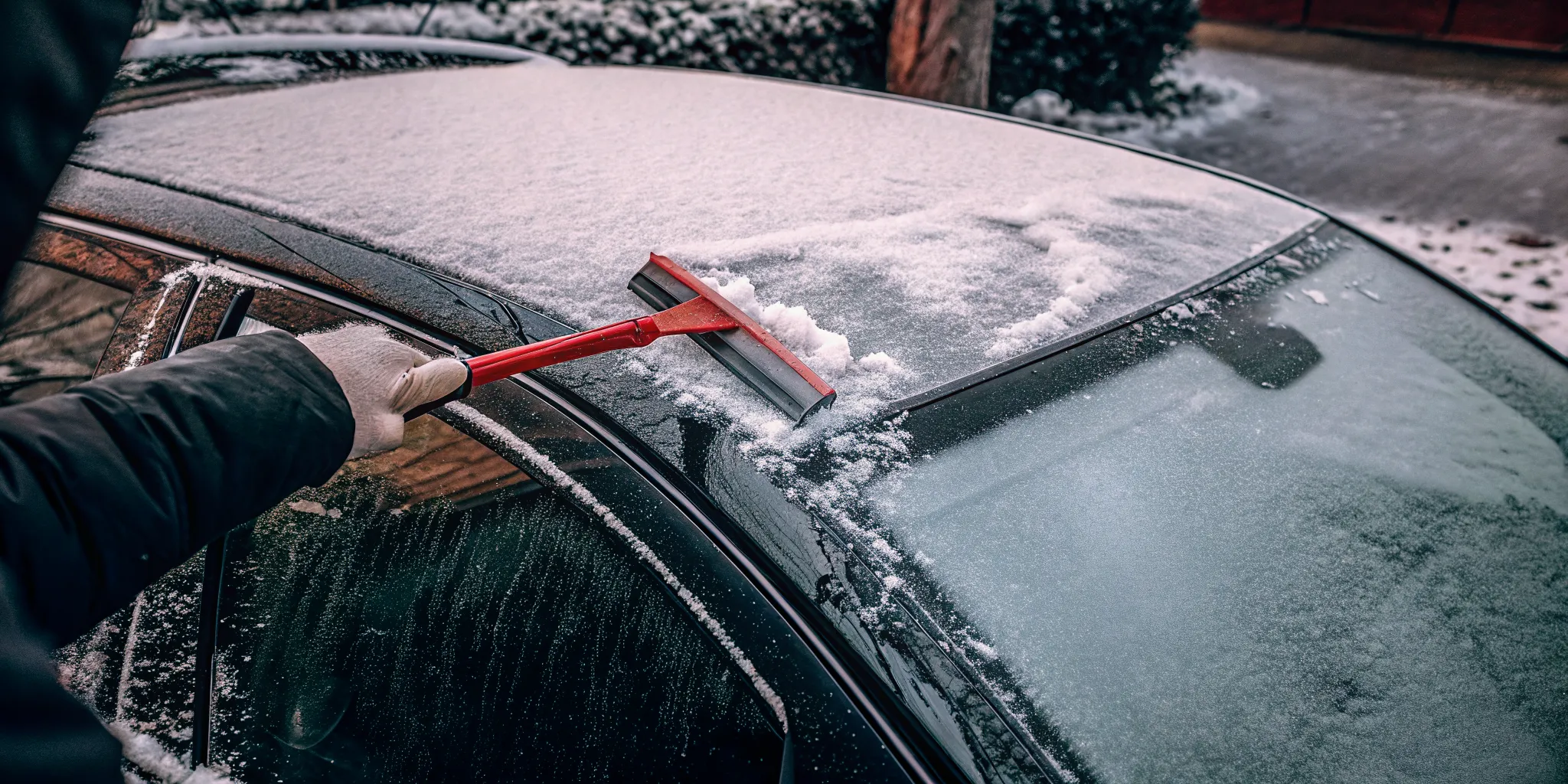
Ice scraper mistakes that scratch paint
Most car owners think any plastic tool will do. But the wrong move can leave your car with deep marks. Winter roads now harm your car's paint job because of salt and grit. You need to know how to protect car paint from ice scraper damage before the first storm hits.
Using scrapers on car body panels
One huge mistake is using a scraper on the metal parts of your car. Ice scrapers are made for hard glass, not soft paint. Even a small piece of plastic can cut through the clear coat. This makes a spot where rust can start to grow. Always use a soft brush or your hand to clear snow from the hood and doors. Save the hard tools for your windows only.
You must also watch out for the trim around your glass. Plastic scrapers can gouge rubber seals and chrome bits. These parts are often weaker than the paint itself. If you slip while clearing the glass, you might leave a lasting mark. Keep your tool flat and stay away from the edges to keep your car looking new.
Scraping over dirt and grit
Scraping a dirty car is like using sandpaper on your paint. Winter roads are full of salt, sand, and tiny rocks. This grit gets stuck under the ice and on your scraper blade. When you push down hard, you ground that dirt into the finish. This is a top cause of snow brush scratch prevention in the winter.
Check your tool before you start. A nicked or broken blade will not clear ice well. It also creates sharp points that can dig into parts of the car. Clean your scraper after every use to remove salt. If the blade feels rough, it is time to get a new one. Using a tool with paint-friendly edge technology can help reduce these risks.
Forcing your way through thick ice
Do not attack thick ice when it is dry and cold. Trying to chip away at a solid block can lead to big slips. You might lose control of the tool and hit a door or fender. High pressure on a dry surface also makes micro-scratches more likely. It is better to let your car warm up first to loosen the bond.
Use light strokes and a low angle. Holding the scraper at a steep angle puts too much stress on one point. This can cause the blade to skip and hop across the surface. A flat, steady move is safer for the finish. Work in small areas and let the heat do the hard work for you.
A safer step-by-step ice removal routine
Winter mornings are hard on your car and your schedule. Rushing through ice removal leads to mistakes that can mar your finish. By following a smart sequence, you can clear your view and keep your car looking new. The key is to work with the weather, not against it. Taking a few extra minutes now saves you from costly paint repairs later. Many drivers ask how to protect car paint from ice scraper marks when the weather turns cold.
Prepping the car for clear glass
Before you start scraping, you must prep the car. Starting the engine and using the heater helps loosen the bond between the ice and the glass. This simple step makes the rest of the job much easier. It also cuts the force needed to clear the surface. You should let the car run for some time to allow the heat to reach the glass.
Always clear the snow from your tailpipe first. This stops gas from going in the car while you wait for the glass to warm. Once the air is warm, set your fans to blow at the glass. Do not use hot water to clear ice, as the sudden change in heat can crack the glass. Stick to the car's own heater for the safest results.
Safety tips for your paint
The best way to avoid winter paint scratches is to stay away from the paint fully. Only use your tools on the glass areas. If you have thick ice, wait for the car to warm up before you begin. This reduces the risk of small marks that can lead to winter road salt corrosion over time. Using a tool with paint-friendly edge technology gives you an extra layer of safety.
If you must remove snow from the body of the car, use a soft foam pusher. Never use a hard plastic scraper on your doors or hood. Even a small piece of dirt trapped under the scraper can leave a deep mark. If the snow is light, you can often blow it off or use a soft brush with very light touches. Keeping your tools clean is just as vital as using them the right way.
Your ice removal checklist
Follow these steps to clear your car fast without risk. This routine works for every vehicle, from small cars to large fleets. It ensures you have the best view while keeping the body of the car in top shape.
- Start your car and turn on the heat. Set your defrost to the high setting to warm the glass from the inside.
- Clear loose snow from the roof and hood using a soft pusher. Clearing this first stops it from falling back onto your clean glass.
- Apply a de-icer spray to the windows if the ice is thick. This liquid help lets the ice slide off with much less effort.
- Scrape the glass with a tool like The EDGE. Keep the tool flat against the surface and use long, smooth strokes to avoid marks.
- Lift your wiper blades once the glass is clear. Check the rubber for ice and wipe them clean to ensure they work well.
- Dry your scraper before you put it away. Stowing a dry tool prevents rust and keeps it ready for the next cold day.
What makes a scraper safer for winter paint care?
Winter roads are hard on your car. Salt can lead to rust if your paint gets a chip. Most marks start when you use bad tools to clear ice. Using the right gear is the first step in how to protect car paint from ice scraper marks. Safe tools keep your car looking new. Expert tips from Auto Training Center show that road grit makes paint care vital in the cold. When you use a bad tool, you risk more than just looks. You risk the body of your car.
Soft edges that bend
Old tools use hard plastic. This plastic is often sharp. When you push it on your car, it leaves small marks. These marks add up and dull the shine. A safer tool uses paint-friendly edge tech. It bends to match the shape of your car. This keeps the weight spread out so it does not gouge the paint. This helps with stopping car paint marks on the hood and roof. Soft parts work with the curves of your car instead of against them.
Many cheap tools also crack in the cold. A cracked edge is a sharp edge. It can slice through your car's clear coat in one swipe. Modern tools use parts that stay soft when the air turns frozen. This keeps the edge smooth and safe for use on all your car surfaces. It is the best way to keep your car safe from deep chips and rust.
Wide space to clear snow
Most tools are only four inches wide. You have to scrape the same spot many times. This makes a slip more likely. A wide tool clears more snow in one go. It can cut your work by a lot. This shape is also great for large trucks or vans. You don't have to reach as far or lean on the car as much. Fewer passes mean less risk of a deep mark in the clear coat.
A tool that is 18 inches wide clears a large path. This means you do less work to get on the road. It also means you spend less time out in the cold. Small tools force you to use the corners to break up ice. Those corners are high-risk zones for your paint. A wide, flat edge keeps the force even. It removes ice without the need for hard, pointed strikes.
Grip and safety perks
If you lose your grip, a tool can hit your car. A tool with no handle gives you more control. It lets you use your whole hand to guide it. This makes the tool stay in place. You are less likely to hit the paint with a hard part of the frame. Some tools even add grooves for wiper blades. This helps you clear ice without pulling on the rubber. Flat stowage also means the tool won't roll around and hit your door.
A good tool is built to last. When a tool has a 5-year performance guarantee, you know it is tough. It won't snap or wear down after just one season. This saves you money and keeps your car safe. You don't have to worry about a tool failing you when you need it most. Better tools lead to better car care and a safer drive.
| Feature | Riskier choice | Smarter choice |
|---|---|---|
| Edge type | Sharp, worn, or broken plastic | Wide, smooth, paint-friendly edge |
| Tool width | Narrow scraper that needs more passes | Large scraper that clears more glass per pass |
| Grip | Thin handle that invites extra force | Full grip that helps control pressure |
| Stowage | Loose tool that gets nicked | Flat tool that stows cleanly |
Choose the tool that reduces force and keeps scraping on glass.
Where The EDGE fits into safer winter prep
Safe winter driving starts with a clear view and a protected car. Using the right tools is the best way of paint-friendly winter cleaning while you clear ice. Old plastic scrapers often have sharp or rough edges. These low-quality tools increase the risk of hurt to your car paint in winter. Road salt can also cause rust to your finish. Keeping your paint chip-free is a top goal for winter vehicle maintenance.
Protect your car paint from scratches
Most small scrapers are only 4 to 4.5 inches wide. This small size makes you work harder. It also makes you repeat your moves, which can cause tiny marks on your car. The EDGE uses a patented, handle-free design built for faster winter prep. Its 18-inch wide surface clears more glass per pass, so you do less scraping with less strain. This large design means you spend less time scraping.
Better tools for heavy ice
The EDGE uses a paint-friendly Rubber Snow Plow for loose snow and hard blades for thick ice on the glass. It is built to reduce effort compared with small, weak plastic tools. You can clear your windows and lights with ease. Before you drive, you should always scrape ice from all windows, lights, and mirrors for winter driving safety.
Built for families and fleets
This scraper is a tool that works as a snow pusher and a car floor mat. Shop The EDGE snow and ice scraper when you want one tool for faster winter prep. It is built from green materials. Families with many cars can use bundle deals to keep every driver ready. For firms, The EDGE makes a great gift or fleet safety tool. Orders from our online store carry the 5-year Performance Guarantee on the unit, so you know it is built to last. Scrape. Stow. Go.
Do wax, sealants, and covers help against ice scratches?
Winter prep is the best way to keep your car looking new. Many owners use wax or sealants to shield their car from the cold. These products create a slick layer on top of the paint. This layer helps block road salt and snow from sticking. But you must know that even the best wax cannot stop a sharp plastic scraper from leaving a mark. High-quality exterior sealants can help, but they are not a shield against hard tools. If you use a tool with a rough edge, you can still harm the finish.
The role of paint protection
Wax and sealants are great for basic winter care. They make it harder for ice to bond with the metal. This means you may not need to scrape as hard to clear your car. Using how snow brushes affect paint as a goal starts with a clean car. If you have a slick surface, ice might slide right off. However, these thin coats do not add a hard shell. They are mostly for shine and water repelling. If you press a stiff plastic tool into the paint, the wax will not save it from a deep gouge.
Paint sealants can match your car's finish to keep it looking sharp. They guard against salt that causes rust in small chips. But these layers are very thin. They do not stop the pressure of a small, narrow scraper. Most old scrapers are only 4 inches wide. This narrow size puts too much force on one spot. If you want to protect your paint, keep scrapers on the glass.
Using windshield covers
Covers are a smart move for your glass. A good cover stops ice from forming on the windshield in the first place. This saves you time and cuts down on tool use. Since you do not need to scrape, you remove the risk of slips. But you must be careful when you take the cover off. If dirt or grit gets trapped under the fabric, it can rub against the paint. Make sure your car is clean before you put the cover on. This simple step keeps the surface safe and smooth.
Parking in a garage is the best way to avoid ice. If you must park outside, try to face the sun. This can help melt ice during the day. If you use a cover, check the edges for ice build up. Sometimes ice can bond the cover to the car. If this happens, do not pull it off fast. Use heat or wait for the car to warm up. A slow and steady hand will save your paint from rips or scuffs.
Safe ways to clear your car
Even with prep, you will likely face some ice. The key is to use remove windshield ice safely that do not put your paint at risk. Start by clearing loose snow with a soft brush. Then, work on the ice. If you find a scuff, you can use touch up paint to seal it. This stops rust from forming in the gap. Keeping your car clean all winter is the best way to find these small marks early.
Always clear your lights and mirrors before you drive. This is vital for safety on dark, snowy roads. If you use a tool, keep it flat against the surface. Avoid the corners of the tool where the edges are sharp. These points are where most paint damage starts. By using the right tools and steps, you can keep your car safe. You do not have to let winter ruin your car's look. Good prep and the right habits will keep you on the road and looking good.
Frequently Asked Questions
Can an ice scraper scratch your car paint?
Yes, many tools can leave marks on your car. As shown by The EDGE, small scratches are a common result of using poor tools on a car's paint. Cheap plastic scrapers often have sharp edges that catch on the car. These small marks can grow over time. This damage makes the paint look dull. It can even lead to rust if the scratches are deep enough to reach the metal below.
How do I remove ice from my car without damaging the paint?
You should start by clearing only the windows and mirrors. Avoid scraping the painted parts of the car if you can. Use a tool with a safe, flat edge rather than a sharp point. Experts at Automotive Training Center note that winter roads already harm your car's paint. Using the right tools is key to preventing more damage. Always push snow away gently and never use force on frozen parts.
What is the best way to protect car paint from ice scraper damage?
The best way is to keep hard scrapers on the glass and use a high-quality tool. For example, The EDGE uses a paint-friendly Rubber Snow Plow for loose snow, and its hard blades stay on the glass for heavy ice. Its handle-free design also covers more space at once. This removes the need for sharp, thin edges that often cause damage. It also saves time for busy drivers and work teams.
Does waxing help protect car paint from ice removal?
Yes, a good coat of wax or sealant adds a helpful layer of safety. This layer makes the car slick so ice can slide off with less work. Sealants can also help protect your car from road salt, which causes rust. If you have small cracks in your paint, salt can make the damage much worse. Keeping a fresh finish helps the paint stay strong. It makes winter cleaning much easier and keeps your car looking new for years.
Ready to stop ice damage and clear your car faster?
Leaving thick ice on your car creates a hard bond that is hard to break without scratching your paint or your glass windows. Waiting to get the right tool means more risk of costly marks and more time spent out in the freezing cold. Stop the struggle now and switch to a tool built to last through the worst storms with a 5-year performance guarantee. Read about safer snow brush technique to see how our safe edge design clears your view in one pass without the risk of breaks.
Ready to get started? Shop The EDGE or explore custom bulk orders to contact our team and protect your vehicle fleet today.