


How to Keep Windshield Wipers From Freezing This Winter
Andrew MelamedFrozen wiper blades glued to your windshield are a rough start to a winter morning. Forcing your wiper motor to run can tear the rubber or quickly blow a fuse.
Ready to upgrade? The EDGE has you covered.
The best steps to keep windshield wipers from freezing are lifting the wiper arms off the glass overnight and using a protective cover. This usually happens because trapped moisture and low temperatures prevent snow or ice from melting. To stop this ice bond from forming, you must clean your wiper blades often to remove trapped dirt and grime. Also clear any snow around the wiper base and keep the surrounding drainage channels free of leaves and debris. If ice does build up, using a durable scraper with built-in wiper blade grooves is a safe, highly efficient way to clear it. These simple habits protect the delicate rubber and prevent your expensive wiper motor from burning out in cold weather.
To protect your car all winter, you must first understand exactly why wipers freeze in the first place. The ice bond builds the same way on every windshield, and knowing the cause is the key to stopping it before it costs you another cold, frustrated morning.
Why Do Windshield Wipers Freeze in the First Place?
When cold air hits your glass, windshield wipers freeze because moisture gets trapped between the rubber blade and the windshield. Cold surface temps prevent melting, while dirt and road grime build up and hold extra water. Trying to use frozen blades can burn out your wiper motor or blow a fuse.
How moisture gets trapped
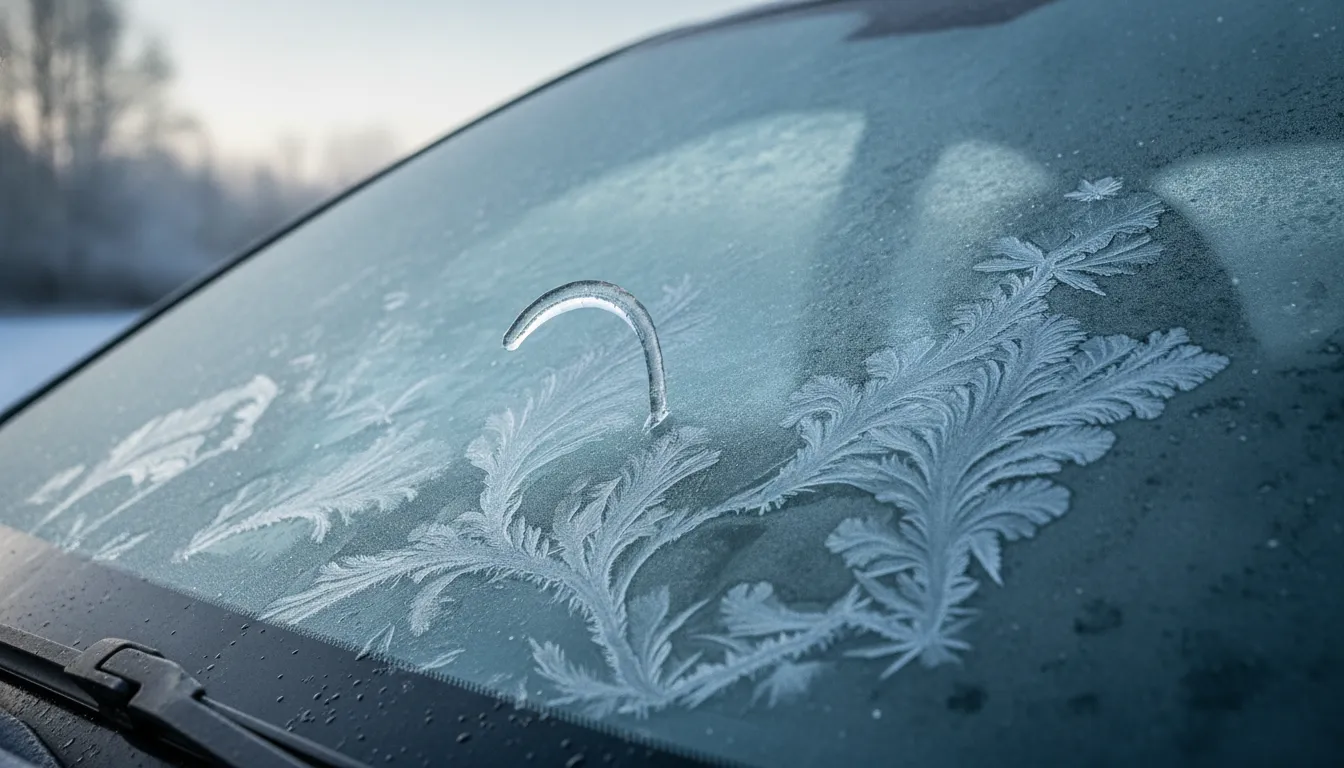
Water is the main cause of frozen wiper blades. When snow melts on a warm windshield after you drive, it runs down to the cold base. Once your car cools down, that pooled water turns into solid ice. This process locks the rubber blade tight against the cold glass. You must keep windshield wipers from freezing to avoid this winter hassle.
Ice does not just form on the rubber edge. Cold wet snow also packs into the metal joints of the wiper frame. Studies show that moisture entrapment in the frame is a top cause of frozen and stiff blades. When water gets stuck in these joints, the frame cannot bend to match the curve of your windshield. The stiff blade leaves streaks of ice and blocks your view.
Why dirt traps water
A dirty windshield makes the freezing problem much worse. Road salt, pine needles, dust, and old leaves build up along the base of your glass. This debris works like a small sponge that holds onto winter rain and melted snow. When temps drop overnight, this wet pile of grime freezes into a solid block around your wiper blades.
You can prevent this by keeping your blades clean. Grime on the rubber edge creates tiny gaps where water can hide and freeze. Cleaning your blades with a damp cloth stops this buildup. Removing the dirt ensures that the rubber lies flat against the glass, which leaves no room for water to pool.
How ice ruins wiper motors
The biggest threat from frozen wipers is not just a blocked view. It is the heavy damage done to your car's power parts. When you turn on your car, your wipers might try to wipe the glass. If the blades are frozen solid to the windshield, the wiper motor will still try to push them. This sudden force can quickly burn out the motor.
If you are lucky, the strain will only blow a fuse instead of melting the motor. A blown fuse is a cheap fix, but it leaves you with no wipers in a heavy storm. To prevent this, never force your wipers when they are stuck. Always clear the snow and ice around the base of the blades before you start your drive.
How to Keep Windshield Wipers From Freezing Before the Storm Hits
To keep windshield wipers from freezing, lift the wiper arms away from the glass and use a protective windshield cover overnight. Parking in a garage and switching to rubber-shelled winter blades also stops ice from bonding. These pre-storm steps prevent wiper blade damage and keep your car winter-ready.
Pre-Storm Wiper Upkeep
Getting your car ready before a winter storm hits is the best way to avoid cold-weather hassle. Cold rain, wet snow, and ice can glue blades to the windshield. Taking a few minutes to prepare before the weather turns bad keeps your windshield clear. Before the next freeze hits, checking off a few tasks from your winter car care checklist will keep you safe.
Proper care of your wiper blades is key in cold climates. A study on the National Institutes of Health site shows that regular cleaning helps blades last longer in winter. Dirt and road grime on the rubber can trap moisture. This trapped water freezes fast when temperatures drop, locking the blades to the glass. Cleaning your blades with a damp cloth before a storm strikes helps prevent this cold bond.
Steps to Block the Freeze
You do not have to wait for the storm. Following a simple routine before a blizzard keeps your wipers functioning when you start your car. Here are the five best ways to prepare your wipers for heavy snow and ice.
- Lift the wiper arms: Pull the arms up and away from the glass. This prevents the rubber from freezing directly to the windshield overnight.
- Use a windshield cover: Placing a heavy cover over the glass overnight blocks ice and snow. You can shake off the snow in the morning and drive away with clean glass.
- Park in a garage: Finding a sheltered space or parking in a garage is the most effective way to keep your wipers from freezing. The roof blocks falling sleet and shields the rubber from cold winds.
- Switch to winter blades: These winter blades have a thick rubber shell over the metal frame. It keeps wet snow from freezing solid inside the frame.
- Clear the cowl area: Sweep away any leaves, dirt, or debris at the base of your windshield. Clear channels allow melting snow to drain away instead of pooling and freezing around your wipers.
Avoid Dry Wiper Damage
Never run your wipers on dry frost or thin ice. Using the blades on a dry windshield can scrape and tear the delicate rubber edges. Dry friction causes major wear even if the blades are not frozen. Always clear the glass with a scraper first, or let your car heater warm the windshield before you turn the wipers on.
How to Keep Windshield Wipers From Freezing Overnight
Why overnight freezing happens
You step outside in the morning, ready to drive, but your wiper blades are glued to the glass. To keep windshield wipers from freezing overnight, you must stop moisture from sealing them. When the sun goes down and temps drop, wet snow or moisture on your windshield turns into hard ice. This thin ice acts like glue. It holds the rubber blades tight against the cold glass.
Overnight freeze is a simple but tough process. Wet snow or rain falls on the warm glass of a car you just parked and melts. As the car cools and the air temps drop below freezing, that pooled water turns back to ice. Studies show that trapped moisture in the wiper frame is a main cause of frozen, stuck blades. When moisture gets locked between the rubber and the glass, a firm icy bond forms that can quickly ruin your morning.
Overnight prevention steps
The best way to stop this is to keep the rubber from touching the glass. First, you can lift your wiper arms up and away from the windshield. This simple move prevents direct contact so the blades cannot freeze to the glass. Second, you can park your car in a garage or a sheltered spot. If you must park outside, placing a thick cover or blanket over your windshield helps shield the glass from frost.
Unsticking frozen blades
If you forget to prep and the blades do freeze, do not force them. Turning on your wiper motor when the blades are frozen can blow a fuse or strip the motor gears. Instead, start your car and run the defroster for a few minutes to melt the ice bond. You can also read our winter car care tips to learn how to keep your entire car ready for the cold.
Using the right scraper also helps a lot in the morning. When cleaning your car, clear the snow from the base of the wiper arms before starting your drive. Clearing this buildup prevents heavy snow from packing down and freezing around the blades.
If you want to keep your wipers and glass safe, check out our guide on how to remove ice from wiper blades safely. Proper removal prevents you from ripping the soft rubber.
To keep windshield wipers from freezing overnight, lift the wiper arms up and away from your glass before a cold storm. You can also use a windshield cover or park in a garage. If ice forms, run your defroster to melt the bond safely. Winter's got nothing on you.
What to Do When Your Wipers Are Already Frozen to the Glass
When windshield wipers freeze to your glass, patience is your best tool. Avoid the urge to force them free by hand or turn on the wiper motor. Instead, run your defroster, clear snow around the wiper base with a scraper, and use de-icing fluid sparingly to melt the bond safely.
Wiper motor strain and damage
A frozen wiper is more than a nuisance. If you try to run your wipers when they are stuck to the glass, you can cause real damage. The wiper motor will struggle against the ice. This heavy strain can lead to blown fuses or complete motor failure fast. Replacing these parts can cost you a lot of time and money.
Do not force the rubber blades free by hand. If you yank them, you can tear the delicate edges of the blades. Ripped rubber will not clear water well on your next drive. To protect your windshield, you must learn how to remove ice from wiper blades safely.
Windshield defrosting and warming
The safest way to free stuck wipers is to warm up your vehicle. Start your car and turn on your front defroster. Let the engine run for a few minutes. Research shows that rapid windshield warming is the best way to release the ice bond. This slow heat protects both the glass and the delicate rubber.
Upgrade your winter gear with premium vehicle accessories from The EDGE.
You can also use de-icing fluid to help speed up the melting process. But you must use this fluid sparingly if the blades are still frozen to the glass. Let the heat from the engine do the heavy lifting first. Spray the fluid only after the ice starts to loosen.
Snow clearing around the wiper base
Heavy snow around the base of the wiper arms puts a lot of stress on the motor. Before you turn on the wipers, you must clear this buildup. Use a quality scraper to remove all snow and slush from the cowl area. A clean cowl lets the arms sweep without blocking. This simple step keeps the wiper arms free to move.
When you clear this area, you prevent ice from reforming as you drive. This quick habit saves your wiper linkage. Make sure to clear the entire cowl so the fresh snow does not blow back up onto the glass. Taking care of these small details keeps you safe on the road.
Use the Right Scraper to Keep Wipers From Freezing on You
To keep windshield wipers from freezing, you need a tool that handles both thick ice and the soft rubber of your blades. Using whatever you find in your glove box or kitchen can ruin your vehicle. Proper care is key. As shown in studies on wiper care, routine cleaning helps extend the lifespan of your windshield wiper blades in cold weather.
The Risk of Makeshift Tools
Many drivers grab a credit card, a kitchen spatula, or even heavy gloves to scrape away ice. These makeshift tools are not built for winter. A plastic card can snap in your hand. A metal spatula can scratch your glass or strip your paint. Using these items takes more time and puts your car at risk.
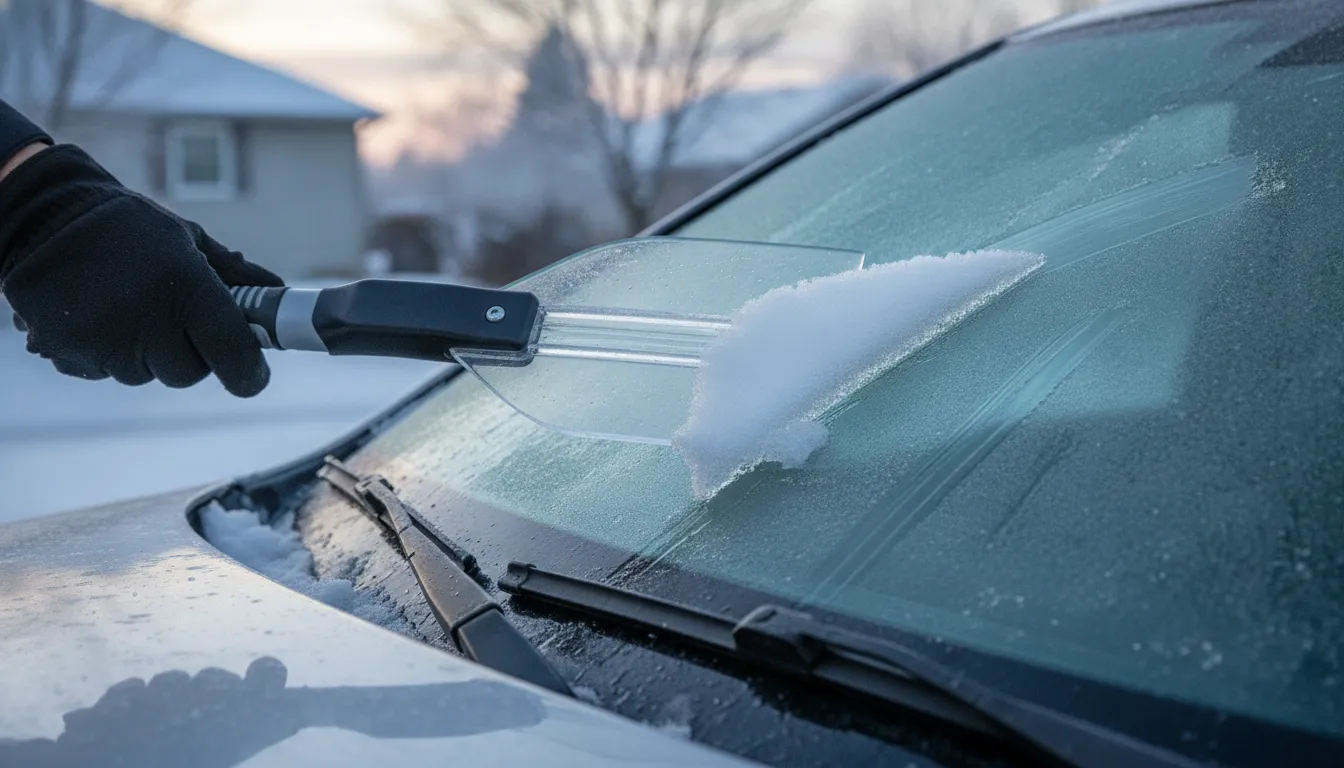
Using The EDGE snow and ice scraper is much faster than these makeshift options. It features a paint-friendly edge that prevents glass and paint damage while you clear your windshield. This safe design ensures you clear the ice without leaving deep scratches behind.
A Built-In Groove for Wiper Blades
Ice that builds up directly on your wiper blades is hard to remove safely. If you try to peel the ice off with your fingers, you can easily tear the rubber. If you use a cheap scraper, you might crush the blade frame. This is where custom design makes a big difference.
The EDGE scraper has a built-in Wiper Blade Clearing Groove designed to remove ice buildup from the blades. Just slide the groove along the blade to peel away ice without tearing the rubber. This feature makes it easy to maintain clear glass and protect your wiper system during heavy winter storms.
Clearing Snow Before the Freeze
To prevent a severe freeze, you must clear loose snow before it packs down and turns to solid ice. A durable scraper edge helps you clear heavy snow fast. Removing this snow from the base of your windshield keeps it from melting and refreezing around your wiper arms overnight.
Keeping your vehicle prep fast and safe needs the right gear. Once you have the right tool, keeping your ice scraper in top shape will ensure it lasts for years. The EDGE comes with a 5-year performance guarantee, so you can face every winter storm with total peace of mind.
| Feature. | The EDGE Scraper. | Improvised Tools. |
|---|---|---|
| Wiper Protection. | Built-in groove clears ice from wiper blades. | Can easily tear rubber blades. |
| Snow Clearing Speed. | Durable edge clears heavy snow fast. | Slow and ineffective. |
| Glass Safety. | Hard blades made for glass and ice. | High risk of scratches. |
| Durability. | 5-year performance guarantee. | Cards snap and spatulas bend. |
Summary: Using a custom scraper with a built-in wiper groove is a smart way to clear ice and keep windshield wipers from freezing. Improvised tools like credit cards or spatulas are slow and can scratch your glass. The EDGE scraper protects your vehicle and speeds up winter prep.
Fleet Vehicles and Winter Wiper Readiness
To keep windshield wipers from freezing on fleet vehicles, managers must use early winter prep. Cold weather downtime is costly, but bulk scrapers and fleet wiper care prevent simple freeze issues from stalling your team. Proper training and tough tools keep your entire fleet ready for any storm.
The cost of winter fleet downtime
For business owners and safety teams, winter storms bring big risks. A single truck stuck with frozen wipers can stall a shipment or miss a client call. These small delays add up to big costs and hurt your daily work. Early winter prep is needed to avoid downtime caused by simple issues like frozen wipers. Putting a plan in place before the snow falls keeps your business moving safely.
Keeping windshield wipers in top shape is a key part of fleet safety. Fleet drivers face harsh weather for many hours each day. Research shows that proper wiper care and cleaning routines help wipers last much longer in cold climates. When drivers clean road salt and grime from their blades, they stop moisture from trapping. Clean wipers are much less likely to freeze overnight.
Proactive prep for fleet drivers
To keep windshield wipers from freezing, drivers must take quick steps before they park. Lifting the wiper arms up and away from the glass works best. This prevents the rubber from locking to the glass. Drivers should also clear heavy snow from the cowl space at the base of the glass. This simple sweep stops cold snow from freezing around the wiper arms.
Durable scrapers for heavy use
Buying the right winter tools is the best way to protect your trucks. Cheap plastic scrapers break quick when clearing thick ice from work vans. That is why business owners invest in tough tools. You can order strong scrapers with your own brand logo and colors. Check out our fleet and bulk orders page to get the best scrapers for your team. Our work gear is built to last.
Wiper Freeze Mistakes That Cost You Time (and a Motor)
Dodging common winter wiper mistakes can save you from a costly repair bill. Using harsh sprays on your glass, running wipers over dry frost, and forcing frozen motors are errors that ruin your blades. Knowing the right way to care for your wipers will keep you safe on the road.
Harsh household chemicals
Many drivers try to spray household glass cleaners or WD-40 on their wipers to keep them from sticking. But these harsh sprays do more harm than good. They strip away the soft oils in the rubber, causing the blades to crack and tear. This damage stops them from clearing the glass.
Instead of using chemicals, rely on safe ways to keep windshield wipers from freezing. Research shows that proper wiper care and cleaning routines are the best way to extend blade life in cold climates. Use warm water and a soft cloth to clean your blades, and never spray them with household cleaners.
Dry windshield friction
Another common error is running your wipers over a dry, frosted windshield. When you turn on your blades to clear light frost, the dry rubber rubs hard against the rough ice. This friction tears the thin edge of your blades. It ruins the rubber even if they are not frozen.
Before you use your wipers, you must prep your car. Stopping this mistake should be at the top of your winter car care checklist. Spray some de-icer fluid first, or let your heater warm the glass. This simple step coats the windshield and saves your blades from fast wear.
Forcing frozen motors
The most costly mistake you can make is forcing frozen wipers to move. When your blades are locked to the glass, turning them on puts huge strain on the system. The motor will try to push the stuck blades. This force can quickly burn out the motor or blow a fuse.
A blown fuse is a small hassle, but a dead motor is a costly fix. If you want to know how to free them safely, check out our guide on how to remove ice from wiper blades safely. Always clear the ice around the base of the blades by hand first. This takes a minute but protects your car from costly winter damage.
Get The EDGE and keep your wipers ready for winter.
Frequently Asked Questions
What can I put on my windshield wipers to keep them from freezing?
The safest move is nothing sprayed on the rubber itself. Household sprays and cleaners can strip the soft oils from your wiper blades, causing them to crack and tear. Instead, block moisture before it settles: use a windshield cover overnight or lift the wiper arms away from the glass. Switching to winter blades with a rubber shell also keeps snow from freezing solid inside the frame.
Should you put WD-40 on your windshield wipers?
You should not put WD-40 on your wiper blades. It can damage the rubber edges and leave an oily film on your windshield. That film causes bad streaks that block your view when you drive. To clear ice, use the Wiper Blade Clearing Groove on a proper tool like The EDGE ice scraper.
Does breaking ice off the windshield help wipers?
Breaking thick ice off the glass by hand or with your wipers can damage your wiper motor. If you try to run your wipers while they are frozen, you might blow a fuse or bend the wiper arm. It is best to clear snow and ice from around the wiper base first. A strong tool like The EDGE scraper helps you clear the glass safely without extra strain on your car.
Should I lift my windshield wipers up before a storm?
Yes, lifting your wiper arms up and away from the glass is one of the easiest ways to keep windshield wipers from freezing overnight. The blades cannot freeze to the glass if they are not touching it. Pair this with a windshield cover or covered parking for the best protection. And always clear snow from the cowl area at the base of the glass before you drive.
Is it safe to scrape ice off my windshield?
Yes, it is safe if you use the right tool. Cheap plastic scrapers or makeshift items like credit cards can scratch your glass or wear out quickly. A quality scraper with a paint-friendly edge will clean the glass safely without damage. You should scrape away snow and ice before it bonds to the glass to keep your wipers from freezing.
Ready to stop fighting frozen windshield wipers this winter?
Struggling with frozen wiper blades on a freezing winter morning is a highly frustrating and stressful way to start your daily car commute to work. Without taking simple protective steps before the next major storm hits, you risk tearing the rubber or burning out your car's expensive wiper motor. Getting a durable scraper today ensures that your windshield stays clear of heavy snow so you can travel safely and always arrive on time.
Ready to request your new tool? Get The EDGE snow and ice scraper today to start your winter mornings faster. This durable, heavy-duty tool keeps your family vehicle prepared for any severe freezing winter weather that comes your way.