


Fleet Driver Safety Tips for Ice and Snow Travel
Andrew MelamedFleet driver safety involves setting clear rules and giving teams the tools to handle snow and ice while focusing on risk reduction through training and upkeep. Managers should teach safe driving methods like keeping a long following distance and staying focused on the road while making sure trucks have high-performance scraper gear. Motor vehicle crashes are a major risk, and one in five work deaths happen on public roads, making safety plans for weather hazards and fatigue limits vital. These steps help workers reach home safely while lowering repair costs, and using data makes sure every vehicle stays in top shape for the winter. Strong policies that cover cell phone use and daily vehicle checks also help protect your team and your fleet during the worst winter storms.
Ready to outfit your fleet with the tools your drivers need? The EDGE offers bulk and custom-branded scraper packages for fleet teams. Call (833) 805-7733 to discuss your fleet order or request a quote for your team size.
Fleet Driver Safety: Why Does Winter Fleet Safety Demand a Solid Plan?
Winter roads bring many risks to your team. Without a clear plan, your drivers face more danger than they do in any other season. A good safety plan is not just about lists. It is about keeping your people safe and your trucks on the road. Safety does not happen by luck. It comes from a set of rules that your team follows every day.
A solid plan helps your drivers stay ready for any weather. It gives them the steps to take when the sky turns gray. When your team knows what to do, they can handle the ice with ease. This leads to less stress and better driving in the cold months.
Real Risks for Your Team
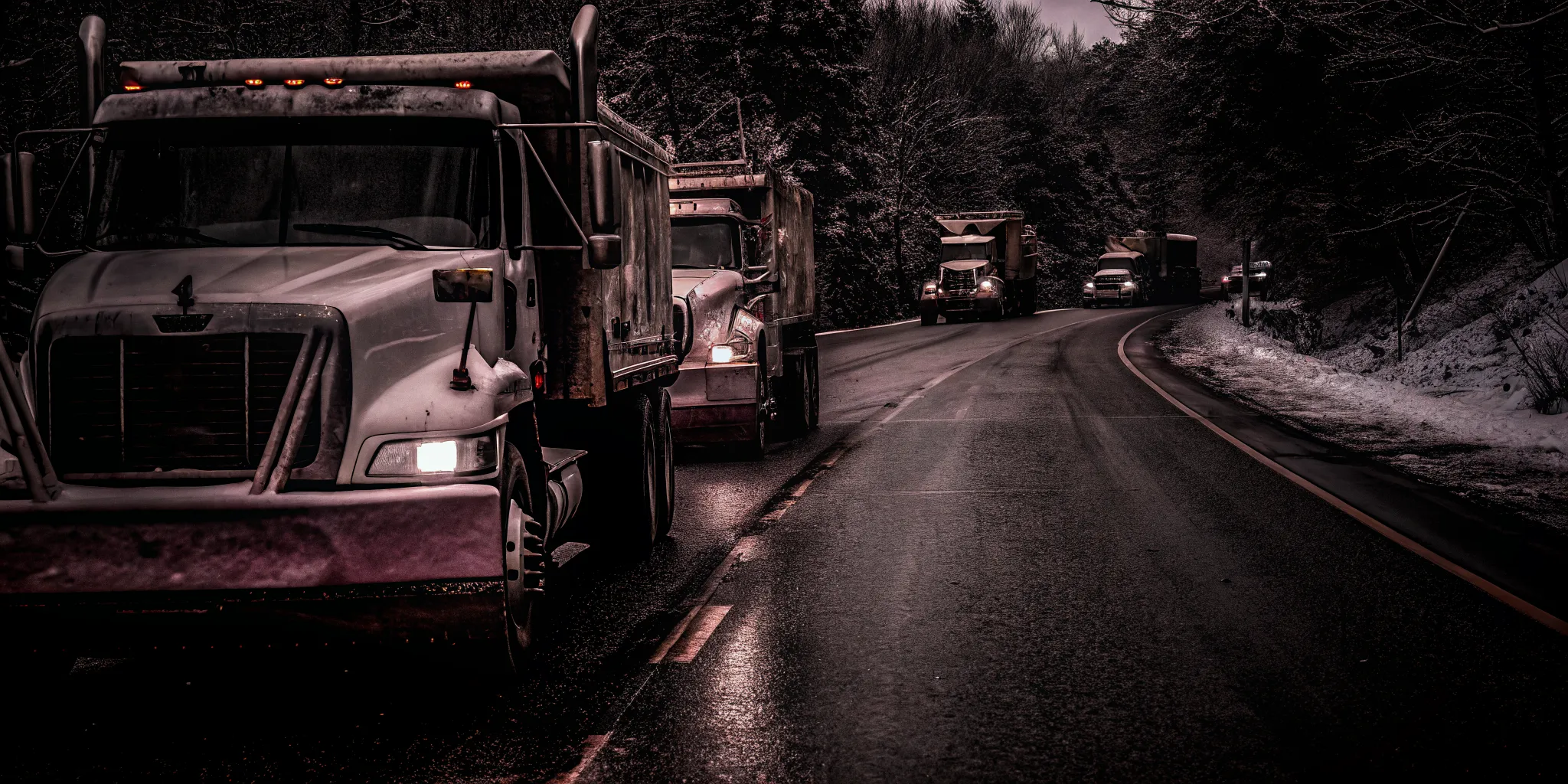
Road safety is a big part of workplace health. In 2020, about one in five work deaths in the US happened in a truck on a public road. This fact shows that the road is one of the most risky places for any worker. For fleet owners, this risk goes up when ice and snow arrive. Winter weather can turn a simple trip into a major threat.
Bad weather makes every move harder for a truck. Slick roads lead to more skids and crashes. When your drivers are out in the cold, they need clear rules to stay safe. A solid plan helps them know how to handle these common winter risks.
- Black ice on the road
- Low sight from falling snow
- High winds that push the truck
- Cold that can freeze fuel lines
This is the first step to a safer winter season for all on your team.
The True Cost of Crashes
Crashes do more than hurt people. They also hurt your bottom line. In the US, a road crash costs fleet bosses between $500 and $2,200 in most cases. These costs add up fast when you have many trucks. You have to pay for repairs, lost time, and higher insurance rates. Even a small bump can keep a truck off the road for days.
A good fleet driver safety plan can save you money. It keeps your trucks moving and your costs low. By setting up clear safety rules, you can avoid the high price of winter crashes. Most crashes are easy to prevent with the right tools and training. This makes safety one of the best ways to grow your profit over time.
How to Drop Your Risk
Good safety plans work well. Some studies show that a full safety program can lead to a 21% drop in crash rates. This is a big win for any fleet owner. It means fewer calls about crashes and fewer trucks in the shop.
You can start by giving your team the best gear for the job. Clear windows and roofs are vital for safety. Tools that clear ice fast help your drivers get on the road with less stress. This is why many owners look for bulk package discounts on safety gear. When your team has what they need, they can focus on driving safe.
How Do You How Do You Train Drivers for Ice, Snow, and Winter Hazards??
Winter roads change how your team must drive to stay safe. Standard driving rules are not enough when ice and snow cover the road. You should give your team hands-on training for fleet driver safety that looks at the risks of the cold season. High-quality training helps drivers keep eyes on the road and stay calm in bad weather.
Master defensive winter driving
Defensive driving is the first step to avoid winter crashes. Drivers must learn to slow down and obey lower speed limits when roads are slick. It takes much longer to stop on ice than on dry paths. The CDC suggests that refresher training should teach drivers to keep a safe following distance. This gap gives them the time they need to react if the car in front slides or stops.
Training should also show drivers how to handle skids without fear. Staying in control of a big truck or van requires a soft touch on the brakes and wheel. When your drivers know these steps, they can avoid the common errors that lead to large crashes. Proper winter fleet maintenance and driver skill work together to reduce risk on every trip.
Manage fatigue and health risks
The dark days and cold air of winter can make drivers tired fast. Fatigue is a major risk for any fleet. You should have a rule that lets bosses stop a driver if they are too tired to work safely. Also, remind your team to check their health before they start a shift. Some common pills for colds or flu can make a person sleepy or slow to react.
Your team must know how both prescription and over-the-counter drugs affect their work. These medications can impair how a driver thinks and acts behind the wheel. Clear rules about health and rest help keep your team sharp and ready for the road. This focus on driver health is a key part of a strong safety plan for the winter months.
Enforce strict distraction policies
There is no room for error when driving on ice. Even a quick glance at a phone can lead to a crash. Your fleet needs a firm rule that bans the use of cell phones or other mobile tools while driving. Distracted driving is dangerous in any season, but the risks are much higher when road grip is low. Keeping phones away ensures that your drivers stay focused on the path ahead.
Equip Every Fleet Vehicle with a Winter Emergency Kit
Winter storms can trap drivers on the road for hours. A well-stocked kit is more than just a help; it is a life-saving tool. For any firm, fleet driver safety starts with being ready for the worst weather.
It is too risky to send a driver out without the right gear to survive a long stall in the cold. A small kit can be the key to staying safe during a long wait. Planning means your team can handle a breakdown without fear. It shows that you value their health on every trip they take.
Risks of the Road
Driving is one of the most risky parts of any job. In 2020, more than one in five job deaths in the U.S. happened in a car or truck on a public road, as per the CDC. These risks go up when snow and ice hit.
Roads become slick and your view can drop to near zero in a heartbeat. When a truck gets stuck, the driver needs tools to stay warm and safe until help comes. Being stranded without a way to stay warm is a danger that every fleet lead can stop. It is a risk that can be stopped with a simple plan.
Needed Survival Gear
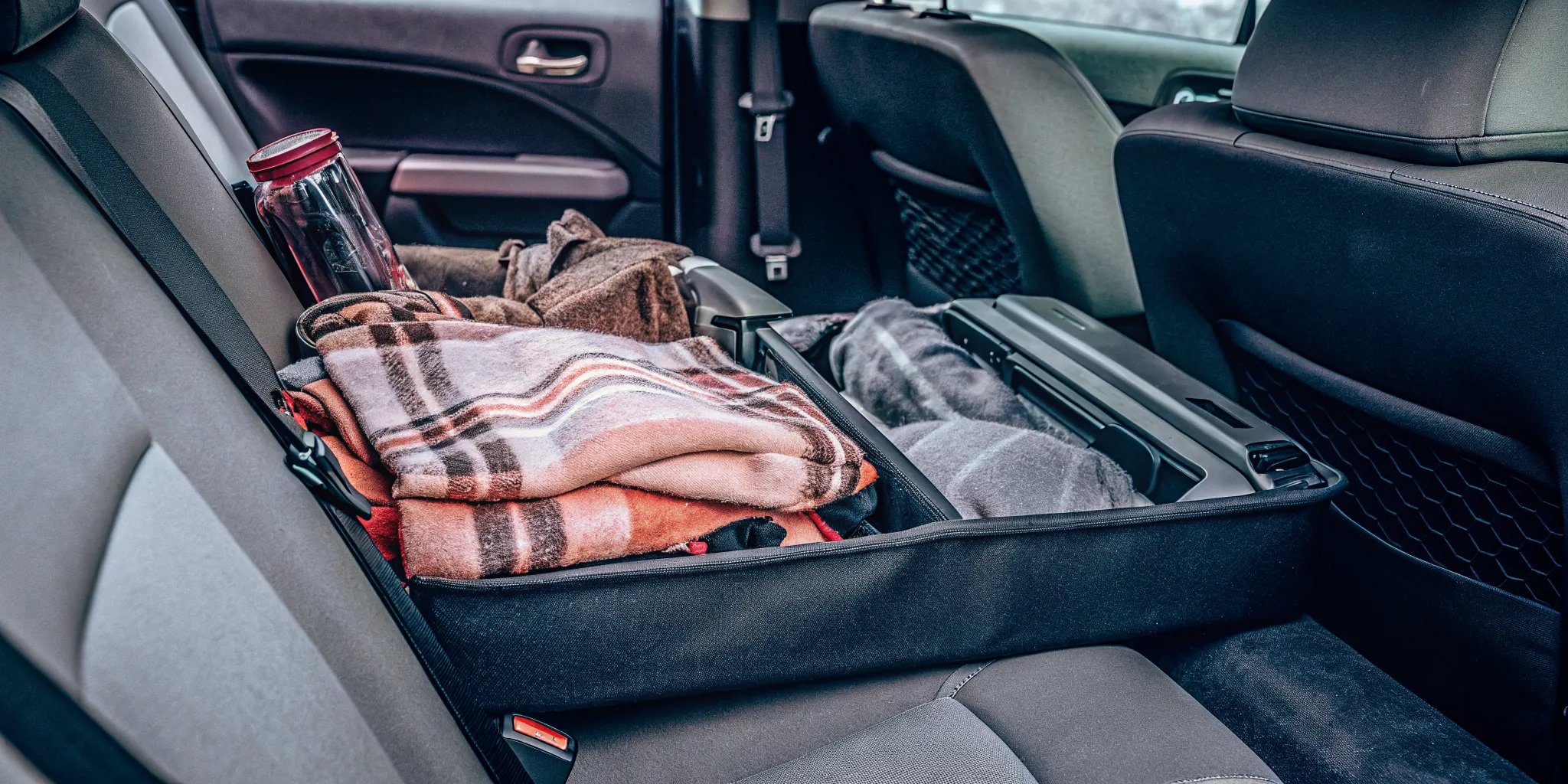
Your fleet kits must have the right gear to fight the cold. The NIOSH list for winter driving says to pack warm socks, a hat, and dry gloves. Drivers also need blankets or a sleeping bag to keep body heat in.
Pack dry food like nuts or fruit to keep energy up. Extra water and any needed meds are also vital for long waits. You should also include a small shovel and sand or kitty litter to help get tires back on track.
Fleet leads should check each kit once a year before the first snow falls. Make sure the food is still good and the cells in the light still work. It is also a good idea to add fleet vehicle tools like a strong scraper to keep the glass clear.
When drivers know they have what they need, they can focus on the road. Safety on the job is about giving your team the best tools for the task. You should also train your staff on how to use all the gear in the kit.
5 Steps to Build a Fleet Kit
Follow these steps to set up a safety kit for every truck in your fleet.
- Pick a tough, dry bin or bag to store all the gear in one spot and keep it dry. This makes it easy for the driver to find what they need in the dark.
- Pack bright clothes and a strong light so others can see the driver at night or in a storm. Being easy to see is key to stopping a crash while stuck on the side of the road.
- Add a first-aid kit and a basic tool set for small road fixes like a loose bolt. Having these on hand can help a driver get back on the road faster.
- Include a phone charger and a list of help numbers on paper in case the phone power dies. A dead phone is a big risk if the driver needs to call for a tow.
- Store the kit in the cab so the driver can reach it without getting out in the cold air. Keeping the kit close means the driver stays warm while they wait for help.
Fleet Maintenance in Winter: Don't Neglect the Basics
Winter brings harsh roads and cold air. This weather puts a big strain on any fleet. Many teams struggle to stay on top of vehicle care when the snow starts to fall. Keeping a fleet ready for the ice is a full-time job. But skipping this work can lead to big problems for your drivers and your budget.
The danger of low compliance
Data shows that only 9.5% of fleets feel they are great at doing maintenance on time. Even worse, fewer than one in twenty fleets reach full maintenance compliance. This gap creates big risks for fleet driver safety during the coldest months of the year. When teams skip these tasks, they leave their drivers at risk of crashes and breakdowns on icy roads.
Costs and safety risks
Missing a simple check can lead to a broken truck on the side of the road. Cold weather makes small issues turn into big ones fast. A dead battery or a frozen engine can stop your work for days. These delays cost money and can lead to bad crashes. Motor vehicle crashes are a leading cause of workplace deaths. Data from the CDC shows that one in five work deaths happen on the road. Keeping a strict plan for care helps your team stay safe and keeps your vehicles moving.
Steps for winter prep
Safe driving starts with a vehicle that is ready for the cold. Drivers must be able to see the road and stop quickly on ice. Proper vehicle prep helps prevent crashes and long stops on the road. When your team has the right tools, they can handle the ice and snow with ease. Use this list to get your fleet ready before the first big storm hits.
- Check the battery. Cold air makes a battery work much harder to start the engine. Have your team test each battery and clean the cables to prevent a failure.
- Inspect the tires. Good tread is a must for driving on snow or slush. Use winter tires if you can. Also, check the air pressure often, as it drops when the air gets cold.
- Fill the fluids. Check your antifreeze levels to keep the engine from freezing. You should also use a windshield wash that will not freeze in low temps.
- Swap the wiper blades. Old blades leave streaks that make it hard to see. Put on heavy-duty blades that can clear ice and heavy snow without breaking.
- Test the lights. Winter days are short and dark. Make sure every headlamp, tail light, and blinker works so other drivers can see your vehicles.
- Pack a safety kit. Every driver needs tools to stay safe if they get stuck. The CDC suggests packing blankets, food, water, and tools to stay warm and healthy.
A well-kept fleet is a safe fleet. Scrape. Stow. Go. Start your winter checks now to avoid high costs and keep your drivers safe all season long.
What Tools Improve Fleet Driver Visibility in the Snow?
Winter weather brings big risks for fleet teams. Drivers often feel rushed to start their routes. This rush can lead to poor choices. If a driver leaves snow on the roof or ice on the lights, they put everyone on the road in danger. Proper tools are the first step in a good plan for fleet driver safety. When teams have the right gear, they can clear their trucks well and stay on track.Clear Every Surface to Stop Ice Chunks
Clearing just the windshield is not enough to keep the road safe. Snow left on a truck roof can turn into a thick ice slab. This ice can fly off at high speeds and hit other cars. These flying ice chunks cause many crashes every year. A full safety program should teach workers how to react safely in bad weather and clear every part of the vehicle. This includes the roof, mirrors, and all the lights. Drivers must take the time to be sure their truck is safe for others. Drivers should use tools that can reach the top of the vehicle without much strain. If a tool is too small, a driver might skip the roof. This mistake creates a hazard for other people on the road. Using an oversized scraper makes it easy to reach high spots. This ensures the truck is clean and safe before it leaves the yard. Good winter fleet maintenance starts with the right gear.Boost Sight and Speed with Better Gear
Better sight is the most vital part of winter driving. If a driver cannot see well, they cannot react to hazards. Using a tool with a large surface area helps clear mirrors and side windows fast. This ensures the driver has a full view of their surroundings. They can see other cars, people, and objects before they pull out of the lot. Wide scrapers also help clear the snow off the hood and the back of the truck. This stops snow from blowing back onto the glass while the truck is moving. Standing in the cold for a long time is hard on the body. Cold air drains energy and makes it hard to focus on the road later. The EDGE has a design that is 18 inches wide and 14 inches long. This size covers more space with each swipe. This means the driver spends less time in the wind and snow. The design also helps reduce the physical work needed. Drivers can use much less effort when they have a tool that works as both a scraper and a snow pusher.| Feature | Standard Scraper | The EDGE Oversized Scraper |
|---|---|---|
| Scraping width | 4-5 inches | 18 x 14 inches |
| Removal per pass | 4-inch blade | 4x more removal per pass |
| Multi-function | Scrape only | Scraper + snow pusher |
| Snow on paint | Hard plastic only | Paint-friendly Rubber Snow Plow |
| Wiper blade groove cleaning | Not included | Built-in Wiper Blade Clearing Groove |
| Flat stowage | Large handle | Stows flat or upright |
Equip Every Truck with Winter Kits
Every fleet vehicle needs a set of tools to handle winter storms. A good kit should have items like warm clothes, food, and water. It should also have a sturdy scraper that will not break when the ice is thick. Fleet managers should check these kits often to make sure they are ready for use. When drivers have the right tools, they feel more prepared for the day. A kit needs basic tools for small repairs on the road. This can include pliers or tape to help if a part fails. These items help drivers fix minor issues without waiting for help in the cold. High-quality gear should be part of the standard setup for every truck in the fleet. This confidence leads to better driving and a safer road for everyone.Frequently Asked Questions
Why is fleet driver safety a priority for businesses?
Keeping drivers safe is a top goal for any company. According to the CDC, more than one in five work deaths in the US happen while driving on public roads. These crashes cause lost time and high costs. A strong safety plan helps avoid these risks. It keeps your team healthy and reduces the chance of a bad crash. This makes your business more stable and helps you reach your goals faster.
How do you build a fleet winter emergency kit?
Every truck needs a kit to keep drivers safe in deep snow. The CDC suggests including warm hats, gloves, and socks. You should also add blankets, food, and water. Pack a snow and ice scraper as well. The EDGE has a paint-friendly edge, and it helps drivers get back on the road in less time.
What tools improve fleet driver visibility in the snow?
Drivers must clear the whole vehicle to see well and keep others safe. Thick ice on the roof can fly off and hit other cars. Using a tool with a large surface area helps you clear the roof and mirrors in one go. This keeps drivers safe and helps them stay on track. Being able to see clearly is the most vital part of winter road safety.
Can fleet safety programs reduce company costs?
Yes, safe driving saves money. Fewer crashes mean lower repair bills and less time with trucks off the road. According to the CDC, a good program gives drivers fresh news on road and weather hazards. When drivers know about risks, they can make better choices. This leads to fewer insurance claims and better fuel use. Safety plans protect both your staff and your bottom line.
Ready to Protect Your Fleet This Winter?
Fleet safety is a year-round job, but winter brings the biggest risks. Start now to protect your drivers and your bottom line.
Call (833) 805-7733 to order custom-printed Edge scrapers in your fleet colors with your logo. You get bulk pricing and no minimums that hurt. Every unit matches the proof you approve, and we replace any unit with a defect.
Your drivers face ice, snow, and freezing temps every shift. Give them the tool built to clear a full windshield. The EDGE measures 18 by 14 inches, with 4x more removal per pass than a 4-inch scraper, a paint-friendly Rubber Snow Plow and a built-in Wiper Blade Clearing Groove.
Scrape. Stow. Go. Winter has nothing on a prepared fleet.